
A museum visit in Athens can go wrong in a very ordinary way: too many rooms, too little time, and one tired decision after another. The National Archaeological Museum Athens highlights are famous for a reason, but that also creates a familiar problem for first-time visitors - people try to see everything and end up remembering very little.
The better question is not how much there is to see, but which pieces will stay with you after lunch, after the tram ride, after the walk back through Omonia or past a busy bakery. If the day is already full with the Acropolis, Plaka, or a ferry to catch later, the museum works best when approached with a clear eye and a realistic plan.
Which National Archaeological Museum Athens highlights matter most?
The strongest National Archaeological Museum Athens highlights tend to be the objects that stop people mid-step, the sort that make a room go quiet. The gold funerary mask from Mycenae is one of those pieces. So is the bronze statue of Zeus or Poseidon, depending on the interpretation, with its taut stance and dramatic reach that still feels alive under museum light.
There is also a simple pleasure in standing before the Antikythera Mechanism and realising that ancient Athens was not only about marble and mythology. Here is a device that still looks like a puzzle from a watchmaker’s bench, only it came out of a shipwreck in the Aegean. For many visitors, this becomes the moment when ancient Athens starts to feel inventive rather than distant.
Then there are the quieter treasures, which are easy to miss if the mind is already full. A painted vase, a small bronze figurine, or a finely carved head can be more memorable than a famous showpiece because it leaves space for the imagination. In a packed travel day, that kind of pause can be the real luxury.
What to see if you only have one or two hours
If the visit is brief, the best approach is to think in clusters rather than in a straight line through every gallery. Many travellers come in from a late breakfast near Syntagma, leave their bags at the hotel, and realise they have only ninety minutes before meeting friends for coffee. In that case, it makes sense to choose a handful of rooms and let the rest wait for another trip.
The core National Archaeological Museum Athens highlights for a short visit usually include Mycenaean gold, the bronze statues, the sculptures from the Cycladic and classical worlds, and one room that shows daily life rather than royal grandeur. That mix gives a balanced view of ancient Athens and the wider Greek world without turning the visit into homework.
It helps to think like someone choosing one good street in Plaka rather than trying to photograph every alley. A short museum visit should feel complete enough to satisfy, not so ambitious that it leaves the visitor glancing at the clock. If you know you are the sort of person who lingers over one label and then another, give yourself a little more time than you think you need.
The pieces that reveal ancient Athens culture
Some visitors expect the museum to be all heroes, helmets, and grand statues, but the most revealing works are often the ones tied to daily routine. Pottery used in households, tools, figurines, and grave offerings give shape to ancient Athens culture in a way that marble gods do not. A clay cup or a child’s toy can say as much about a civilisation as a portrait of a king.
That is why an athens ancient agora guide and the museum often belong in the same day, even if they are different kinds of visits. The Ancient Agora of Athens shows where people walked, traded, argued, and voted. The museum fills in the objects they held, wore, and buried. Together they make ancient Athens feel less like a chapter in a textbook and more like a place where everyday life had texture.
For travellers who like context, this is where the museum becomes especially rewarding. A painted amphora seen in a quiet hall suddenly makes more sense after standing on the rocky paths of the athens ancient agora and imagining market noise, shade, and dust. Sometimes the object matters most after you have seen the place it came from.
Should you try to do the museum and the Agora on the same day?
This is one of the most common planning questions, and the honest answer is yes, but only if the rest of the day is not already overloaded. The museum pairs naturally with the athens ancient agora, especially for visitors who want a deeper view of ancient athens rather than a fast checklist of sights. Both are central, both reward unhurried attention, and both can be tiring if squeezed between long meals and late afternoon heat.
The practical issue is not distance but energy. On a hot July day, a walk from the museum toward the ancient agora of athens can feel easy on paper and heavy in reality, especially after lunch. If the morning has already included a hotel breakfast, a metro ride, and a stop for iced coffee, another major stop may be one too many.
For travellers who prefer comfort and a broader view of the city, this is where a guided day can help. A local guide can connect the dots between ancient sites, modern streets, and the museum without making the day feel crowded. In Athens, the difference between a good plan and a tiring one is often just the amount of walking in the middle.
A small detail that changes the visit
People often underestimate how much the order of sightseeing affects the experience. A museum before an open-air site can give structure to what comes later. The reverse can work too, especially if the outdoor site is seen in the softer morning light and the museum becomes the cooler indoor stop afterward.
It is a bit like choosing whether to start with a corner bakery or the view from a rooftop terrace. The same day can feel different depending on the sequence. With the National Archaeological Museum Athens highlights, that choice can shape what stays in memory.
Common mistakes visitors make inside the museum
The most common mistake is treating the museum like a race. Visitors hurry from room to room, read only a few labels, and end up photographing things they cannot later identify. A better method is to stop whenever something unusual catches the eye, even if it is not one of the most famous works.
Another frequent misstep is arriving without knowing the pace of the day. A traveller who has already walked through Monastiraki, climbed to the Acropolis viewpoint, and then headed straight to the museum may simply be too tired to enjoy it properly. In that state, even the finest sculpture can blur into the background.
There is also the temptation to skip the less famous pieces. Sometimes the opposite is true. A room of smaller objects can be the part that best explains ancient Athens and turns the whole visit from impressive into meaningful. If the museum feels like too much, start with one wing and let curiosity decide the rest.
Where the museum fits in a fuller Athens day
The museum sits neatly among several athens sightseeing places, which is why it works well as either a centrepiece or a backup plan when the weather changes. If the morning begins in the Panathenaic Stadium area, continues through Syntagma, and then drifts toward a long lunch, the museum can save the day without feeling like a compromise. It is close enough to fold into a city itinerary, yet substantial enough to stand on its own.
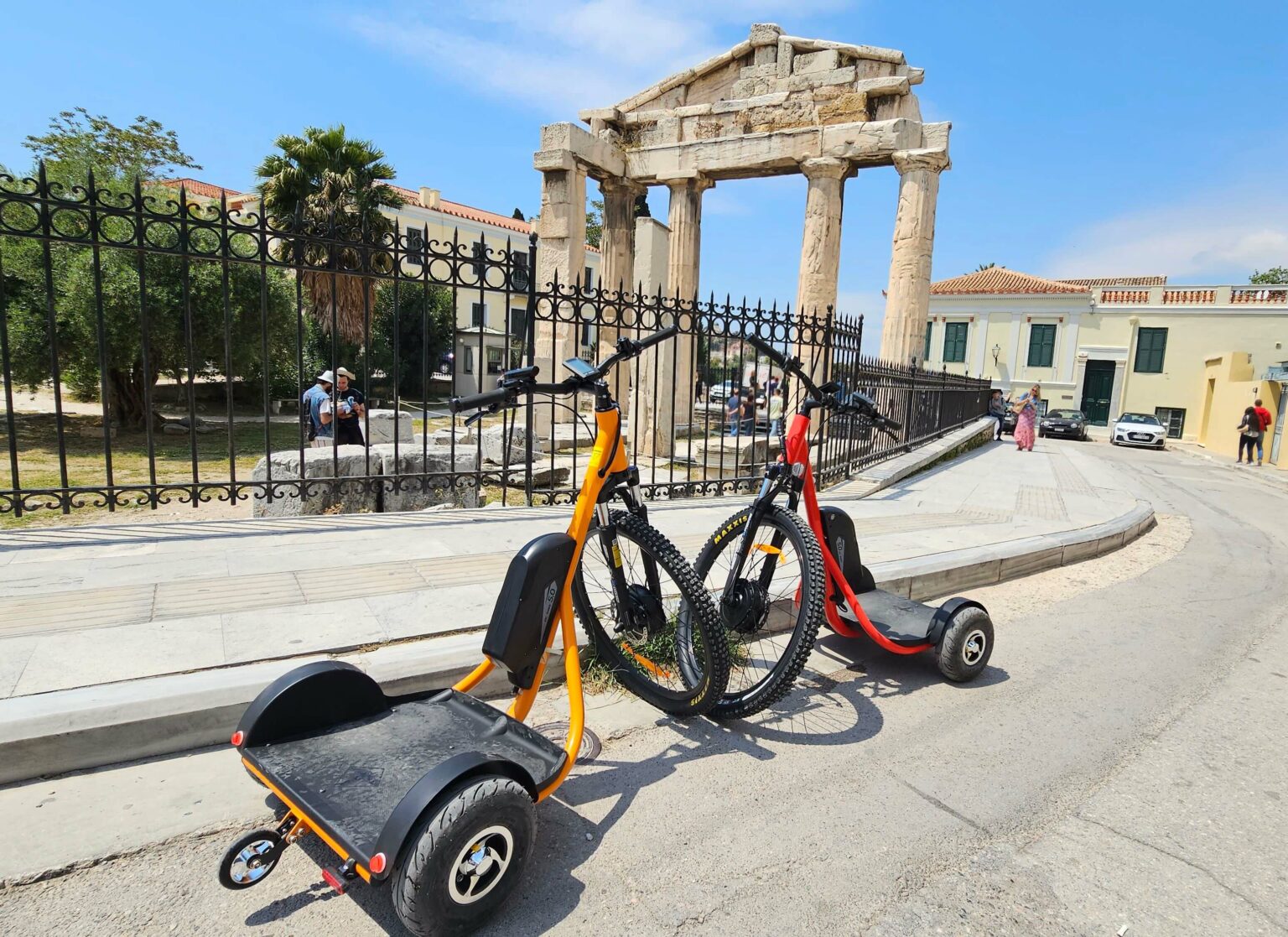
For families, couples, and solo travellers, the museum can also be a good contrast after a more playful exploration of the city. A guided ride through central Athens on an e-trike, for example, gives a broad sense of the streets and landmarks before the stillness of the galleries. A local operator such as Ayo Tours Athens can make that combination easy to manage without turning the day into a string of logistics.
What matters most is matching the museum to your rhythm. Some visitors want the full scholarly experience, map in hand and notes on their phone. Others just want a few unforgettable objects, a cool room in the middle of the afternoon, and the feeling that they understood something real about Athens before heading back out into the light.
The National Archaeological Museum Athens highlights are richest when they are chosen with care, not collected in a hurry. Give the visit a clear shape, leave room for one unexpected object, and let the day breathe a little. That is often enough to make the museum feel less like a stop on the list and more like one of the memorable parts of Athens itself.
Frequently asked questions
What are the main highlights of the National Archaeological Museum Athens?
The best-known highlights include the gold funerary mask from Mycenae, the bronze statue of Zeus or Poseidon, and the Antikythera Mechanism. Many visitors also remember the sculpture galleries and the smaller objects that show everyday life in ancient Greece.
How long do you need at the National Archaeological Museum in Athens?
A focused visit can take about one to two hours if you stick to the major works. If you want to move at a slower pace and see more of the collections, allow longer so the visit does not feel rushed.
Is the National Archaeological Museum worth visiting?
Yes, especially if you are interested in ancient Greece and want more than just ruins. The museum gives valuable context through objects that are hard to see anywhere else, from gold burial treasures to tools, pottery, and sculpture.
What should I see first at the National Archaeological Museum Athens?
Start with the most famous pieces, then move to the galleries that show everyday life and smaller artefacts. That approach gives you a strong overview without trying to take in the entire museum at once.
Can you visit the National Archaeological Museum and the Ancient Agora on the same day?
Yes, many travellers combine them because they complement each other well. The Agora shows the setting of ancient public life, while the museum displays the objects that help explain what people used, wore, and valued.