
A Greek coffee in Pangrati can feel calm and polished, while a corner bar in Exarchia may be loud by lunchtime and quiet again by midnight. That contrast is exactly why a Pangrati and Exarchia Athens neighborhood guide matters: the two areas are close on the map, but they do not suit the same kind of day.
Visitors often hear both names and assume they are interchangeable parts of central Athens. They are not. One tends to reward slower walks, parks, bakeries and a lived-in residential rhythm. The other has a more restless edge, more street art, more student energy, and a stronger sense that something is happening around the next corner.
What Pangrati feels like on the ground
Pangrati is the sort of neighborhood that makes sense in small details. A fruit shop with oranges stacked by the door, a bakery with trays of cheese pies in the window, an apartment block with laundry lines above a quiet street - these are the things that shape the mood more than any landmark does. It feels local without trying to look local.
For visitors, that usually means an easier pace. The area sits well for a morning walk to the Panathenaic Stadium, then coffee nearby before heading toward Syntagma or the National Garden. If you are building an Athens sightseeing day around short moves rather than long transfers, Pangrati fits neatly into that plan.
It also works well for food and low-key evenings. A taverna with plastic-covered chairs on the pavement, a wine bar on a narrow street, or a bakery that sells spinach pie warm by the slice can be more useful than a place with a famous name. That is part of the appeal of ancient Athens and modern Athens sitting side by side in the same city: the neighborhood can be ordinary in the best possible way.
Why Exarchia feels so different
Exarchia has a sharper personality. The first thing many people notice is not a single attraction but the density of signs, posters, murals and small businesses packed into a few blocks. It can feel intense at street level, especially compared with the softer edges of Pangrati, but that intensity is also what gives the area its character.
There is a strong student and political history here, and that history still shows in the street life. Bookshops, bars, record stores and small cafes sit beside walls covered in art and slogans. A person stopping for a freddo espresso on a side street may hear one table debating music, another discussing a protest, and a third simply asking for "another round" before sunset.
For some travellers, that energy is a reason to visit. For others, it is a reason to stay nearby but not based there. The right choice depends less on reputation and more on what kind of day you want after breakfast.
Which one suits the way you travel?
If you want calm streets and easy routines
Pangrati is often the better fit if mornings matter to you. Families, older travellers and anyone who prefers a gentler rhythm usually find it easier to settle here. A short walk for bread, a relaxed lunch, then a rest before dinner can feel more natural in Pangrati than in a busier central district.
It also works well for people who like to wander without a fixed plan. You can leave a hotel, follow a shaded street past a small park, then drift toward a museum or square without feeling pushed along by noise. That matters after a full day in the sun, when even a short uphill stretch can feel larger than it looked on a map.
If you want texture, edges and late evenings
Exarchia suits travellers who enjoy a neighborhood with a stronger point of view. If a plain polished district feels interchangeable from one city to another, Exarchia is the opposite. The walls, the cafes, the music and the crowd all make it feel specific to Athens.
It can be a good base for people who plan to be out later, especially if they enjoy casual dinners and bars rather than formal meals. A table on a busy square, a plate of grilled vegetables, and a window seat watching scooters pass can be more appealing here than a hushed restaurant with starched linen.
What to do in each area without wasting time
In Pangrati, the best approach is usually to combine neighborhood life with one or two major stops nearby. The Panathenaic Stadium is the obvious anchor, but the pleasure often comes from the walk between points rather than the points themselves. A morning coffee, a pause at a kiosk for water, then a route that passes apartment balconies and local shops can make the area feel richer than a checklist visit.
Exarchia is better treated as a place to explore by wandering. There is no single postcard scene that explains it. A bookshop, a mural, a square with students at plastic tables, then a side street where the noise drops away - that rhythm is the point. If you want a structured visit, pairing Exarchia with a guided city route can help make sense of what you are seeing.
For travellers who like context, a local guide can connect these neighborhoods to the broader story of ancient Athens and modern Athens without turning the day into a lecture. That can be especially useful if you are already planning an athens ancient agora tour or comparing it with other athens sightseeing places. A neighborhood starts to feel different when you understand how it sits inside the city’s older layers.
Getting around without turning the day into a slog
Athens is a city where distance can be misleading. On a map, Pangrati and Exarchia do not look far apart. On foot, in summer heat, with a coffee stop and a few uphill sections, the same route can feel much longer. A traveler who starts with one quick errand and then adds "just one more street" often ends up tired before lunch.
That is why mixed transport and short walking segments tend to work best. A taxi or metro ride for the largest gap, then a slow walk once you are in the neighborhood, usually saves energy for the interesting parts. It also leaves room for details like a church courtyard, a fruit stand, or a bench in the shade.
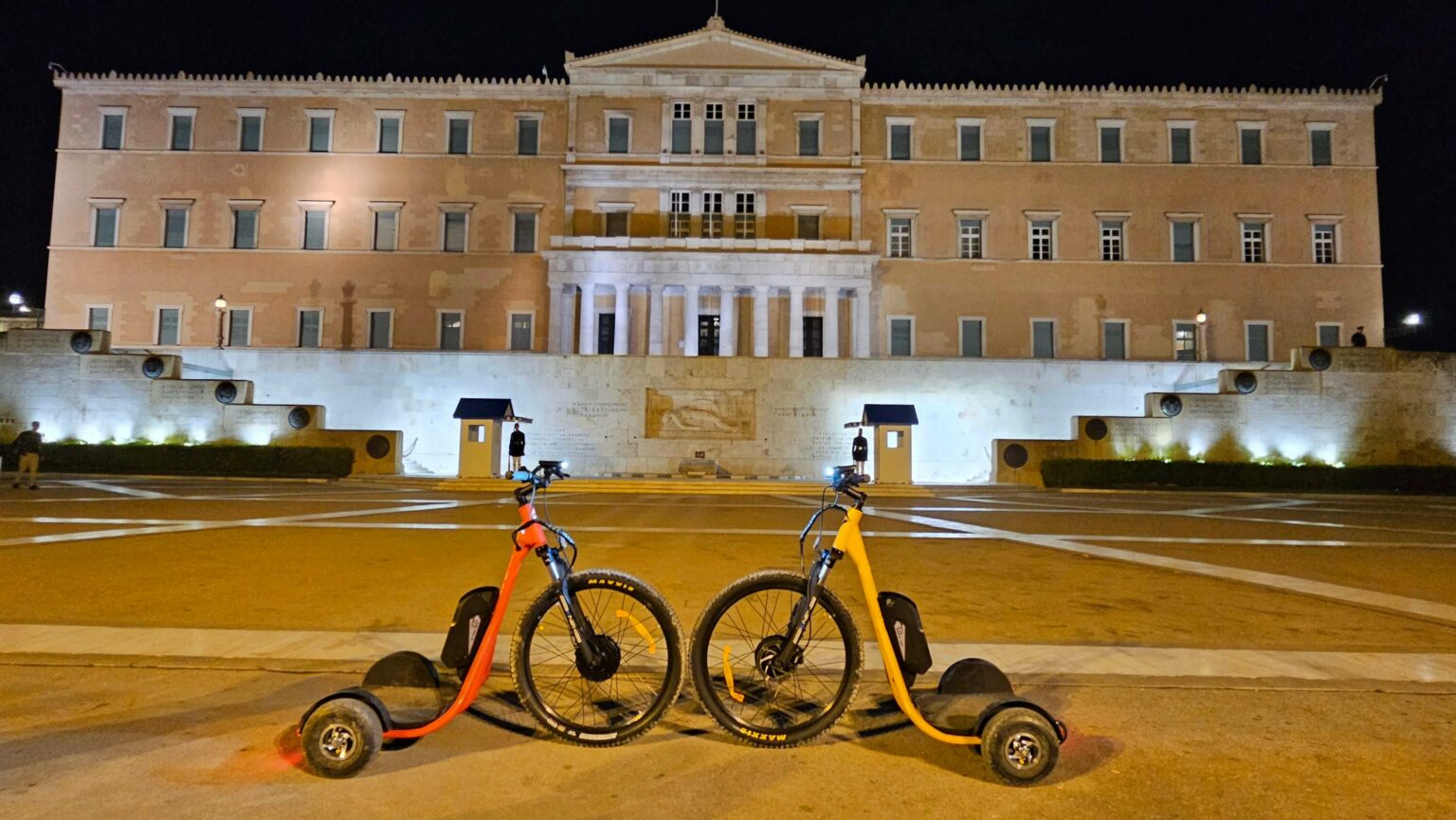
For people who want a comfortable overview before choosing where to spend more time, guided e-trike tours can be a smart middle ground. They cover more ground than walking, but feel much less rushed than a bus. A local operator such as Ayo Tours Athens can be useful here, especially for visitors who want both the Acropolis viewpoint and neighborhood streets in one day without long hot walks.
Common mistakes that make both neighborhoods harder than they need to be
The first mistake is choosing only by reputation. Pangrati is not automatically "boring," and Exarchia is not automatically "exciting." A quiet Tuesday afternoon in one can be more enjoyable than a noisy Saturday in the other. What matters is whether you want a place to rest between outings or a place that keeps pulling you into the street.
The second mistake is overplanning meals and underplanning the walk between them. In Athens, a good lunch can be ruined by a tiring route to reach it. A corner cafe near your hotel, or a bakery on the way to the next stop, may be the better choice than a place that looks ideal online but sits awkwardly across traffic, stairs or a steep hill.
The third mistake is assuming neighborhoods only matter at night. In reality, a morning coffee, a grocery stop, a pharmacy run or a stroll for fresh air often shape the experience more than dinner does. The person who notices a neighborhood at 10 a.m. sees a different city from the person who only arrives at 8 p.m.
Where the two neighborhoods fit into a bigger Athens plan
Pangrati and Exarchia make the most sense when they are part of a wider route, not isolated stops. Pangrati pairs naturally with central landmarks, museum time and slower afternoons. Exarchia pairs well with a more urban day, especially if you want bookshops, street art and a less polished slice of local life.
If your itinerary already includes the ancient agora of Athens, Monastiraki, Plaka or the Temple of Olympian Zeus, then Pangrati can be the calmer reset between busier sites. Exarchia can work as the more textured counterpoint after formal visits, when you are ready for something less curated. In both cases, the neighborhood becomes easier to enjoy when it is not expected to do everything.
A practical Athens ancient agora guide would say the same thing about timing. Check the athens ancient agora hours before you go, then build the neighborhood around that visit rather than rushing between unrelated plans. The same logic applies here: a good day in Athens is usually stitched together from a few sensible choices, not from too many ambitions.
A thoughtful Pangrati and Exarchia Athens neighborhood guide does not try to pick a winner, because the better choice depends on the mood of the trip. If you want shade, steadier streets and an easy daily rhythm, Pangrati is often the better fit. If you want edges, energy and a place that feels unmistakably alive, Exarchia may be the one that stays in your memory.
Frequently asked questions
What is the difference between Pangrati and Exarchia in Athens?
Pangrati is generally quieter, more residential, and better suited to relaxed daytime exploring. Exarchia has a stronger edge, with more street art, student culture, bookshops, bars, and a busier street atmosphere. If you want a softer pace, Pangrati usually feels easier; if you want character and nightlife, Exarchia stands out more.
Is Pangrati a good neighborhood for tourists?
Yes, Pangrati is a good choice for visitors who prefer a local feel without the rush of a major tourist district. It works well for coffee stops, casual meals, and walking to nearby sights such as the Panathenaic Stadium. Many travelers like it because it feels lived-in rather than staged for visitors.
Is Exarchia safe for visitors?
Exarchia is a real, lived-in Athens neighborhood with a strong identity, but it can feel intense compared with calmer central areas. Many visitors go there for cafes, bars, and street art and have an ordinary, enjoyable time, especially during the day and early evening. As with any busy city area, it is wise to stay aware of your surroundings and use common sense at night.
What can you do in Pangrati?
Pangrati is a good area for slow neighborhood walks, coffee, bakeries, and relaxed meals. It is also a practical base for visiting the Panathenaic Stadium and combining that with nearby central Athens sights. The appeal is less about one big attraction and more about the everyday atmosphere.
What is Exarchia known for?
Exarchia is known for its street art, political history, student culture, and independent cafes and bars. It has a more restless and expressive feel than many other Athens neighborhoods, which is part of its appeal. Visitors often come for the atmosphere as much as for any specific landmark.
Which neighborhood is better to stay in, Pangrati or Exarchia?
It depends on the kind of trip you want. Pangrati is usually better for a calm base, easier mornings, and a more residential setting, while Exarchia suits travelers who want a stronger urban character and later nights. For families and slower-paced stays, Pangrati is often the easier choice.