
A café bill arrives, the card machine is within reach, and then someone at the next table pays with a few coins. When using cash and cards in Athens, both choices are part of everyday life - and knowing when each is useful can make a day out feel easier.
Most visitors do not need to carry a large amount of cash, but relying on a single payment method can be inconvenient. The right balance depends on the places you plan to visit, how you get around, and whether you prefer to keep small purchases simple. A little preparation helps, without turning every coffee or museum stop into a money decision.
Using cash and cards in Athens: what works where?
Cards are widely accepted at hotels, larger restaurants, supermarkets and many shops. Contactless payments are common, too, so paying for lunch or a pair of sandals in central Athens is often straightforward. Visa and Mastercard are generally the safest cards to bring; acceptance of other networks can vary by business.
Cash remains useful for small purchases and some independent businesses. A kiosk selling bottled water, a neighbourhood bakery, or a market stall may be quicker to deal with in cash, even if a card terminal is available. Carrying a modest amount in euros gives flexibility without making a bulky wallet necessary.
How much cash should you carry?
There is no need to exchange a large sum before arrival. For many travellers, enough euros for a few small purchases and an unexpected snag is a sensible starting point. A coffee, a snack, or a short taxi ride can be easier to handle when cash is available, though the exact amount depends on your plans.
Keep the cash in a separate place from your main card. For example, a small note in a day bag can be useful if a card terminal is temporarily out of service, while the bulk of your money stays secure elsewhere. Avoid carrying more than you would be comfortable losing in a busy area.
What should you expect at restaurants and shops?
In central Athens, restaurants and shops often take cards, but payment habits are not identical everywhere. A hotel restaurant may process a card without a second thought; a tiny bakery near a residential square might prefer cash for a modest bill. If unsure, ask before ordering or choosing a service.
When paying by card, check the amount on the terminal before tapping. If a machine offers to charge in your home currency rather than euros, choosing euros is usually the clearer option; the card issuer then handles the conversion, though its fees and exchange rate still apply. Keep the receipt if you want to compare the final charge later.
Cash, cards and getting around the city
Public transport tickets can be bought at station ticket machines and ticket offices, where card options are commonly available. Still, a payment terminal can be out of order or a queue can form, so having a backup card or a few euros is practical when heading to a metro station with a train to catch.
For taxis, ask whether card payment is accepted before the ride begins, especially if travelling from a less busy spot late at night. Larger operators may take cards, but it is unwise to assume every driver will. If you are joining a guided tour or hiring equipment, check the payment terms when booking; a pre-paid reservation can mean less to sort out on the day.
Avoiding fees and payment surprises
An ATM is often a convenient way to withdraw euros, but read the screen carefully. Some machines offer their own currency conversion, which can come with an unfavourable rate. Declining that conversion and allowing your bank to process the transaction in euros is often the better choice, but check your bank’s foreign transaction and cash-withdrawal fees beforehand.
Use ATMs attached to banks or located inside well-lit, busy premises when possible. Cover the keypad, keep your card in sight during a purchase, and let your bank know about travel-related security settings if required. These are ordinary precautions, but they are more reassuring than trying to fix a blocked card while standing outside a shop.
Do you really need cash for a short visit?
For a brief stay, a card may cover most planned expenses. Someone spending a long layover near Syntagma, for instance, can likely pay for a meal and museum tickets by card, while a few euros remain handy for water or a quick snack. The balance changes if the day includes small independent cafés, street markets, or several unplanned stops.
Travellers exploring on foot may also appreciate not having to search for an ATM every time a small purchase comes up. On the other hand, carrying only cash can make it harder to track spending and leaves fewer options if a wallet goes missing. Using both, with one backup card kept apart from the everyday wallet, is a calm middle ground.
A simple approach for a day in Athens
Before leaving your accommodation, check that your main card works abroad, note your bank’s contact details, and carry a small amount of euros. For a day that includes Plaka, Monastiraki and a sit-down meal, that is often enough to handle the usual mix of card payments and small cash purchases.
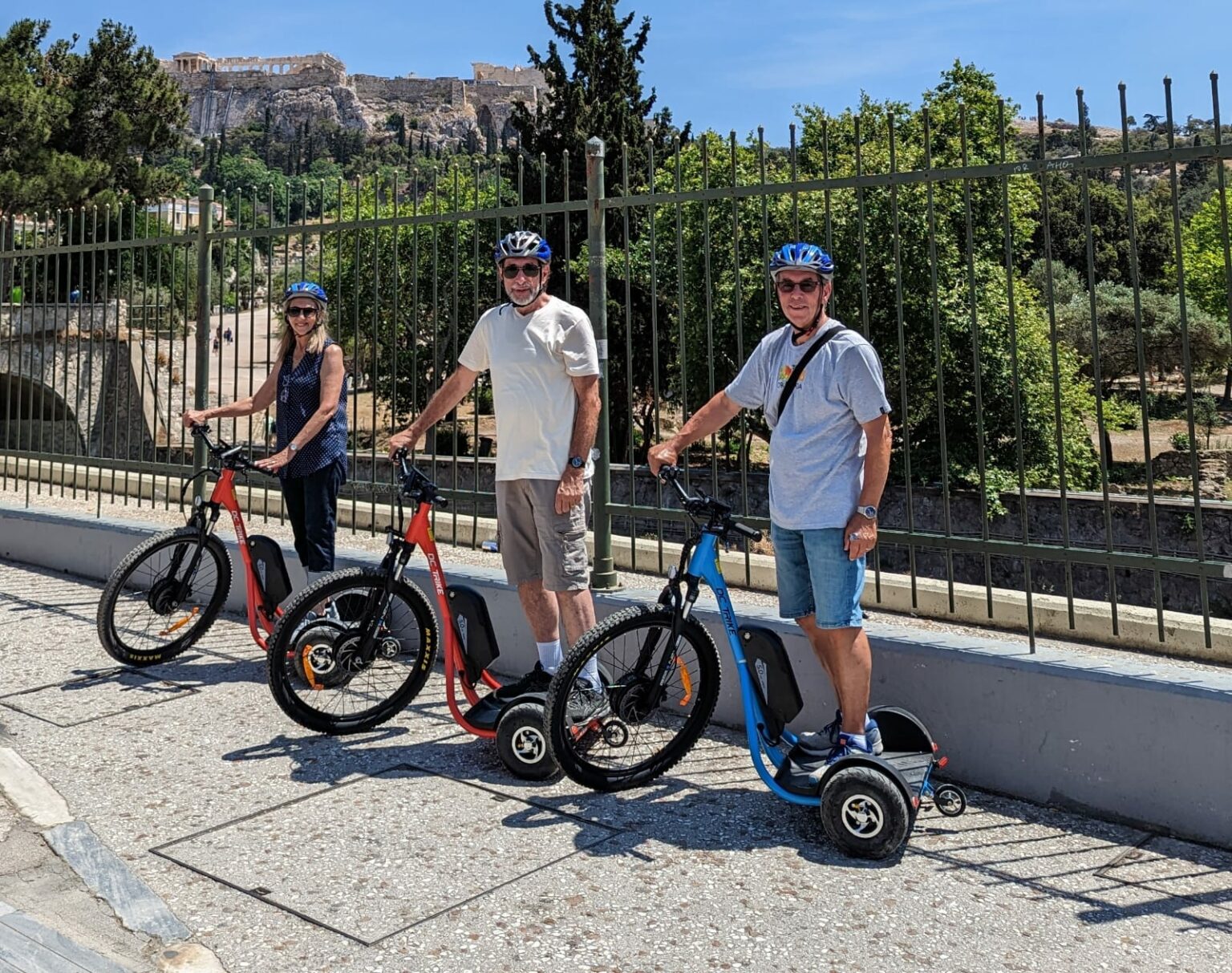
If a comfortable way to see the city is part of the plan, transport and tour costs can be checked in advance, too. Local operators such as Ayo Tours Athens offer guided sightseeing on electric trikes, and confirming payment options before setting off avoids an unnecessary surprise. Athens is easier to enjoy when the practical details are settled early - then attention can return to the street musicians, a shaded table, or the view of the Acropolis at the end of the day.
Frequently asked questions
Do I need cash in Athens?
You can pay by card in many places, especially hotels, larger restaurants and shops. A little cash is still useful for small purchases or businesses that do not take cards.
Can I use a credit card in Athens?
Visa and Mastercard are commonly accepted in Athens, and contactless payments are available at many businesses. Acceptance can vary, so carrying another payment option is sensible.
How much cash should I carry in Athens?
There is no single amount that suits every trip. Keep enough euros for a few small purchases or an unexpected payment, rather than carrying more than you would feel comfortable losing.
Can I pay by card in Athens taxis?
Some taxis accept cards, but it is best to check with the driver before the ride starts. A small amount of cash can be a useful backup, particularly outside busy areas.
Should I choose euros or my home currency when paying by card in Athens?
If a terminal offers a choice, paying in euros generally lets your card issuer handle the currency conversion. Your bank may still charge conversion or foreign transaction fees, so check its terms before travelling.
Are ATMs easy to find in Athens?
ATMs are available around the city, including near banks and busy commercial areas. Read the screen carefully, since an ATM may offer its own currency conversion, and check your bank’s withdrawal fees.