
There is always one afternoon on an Athens itinerary that gets squeezed. Maybe it rained the day before, maybe the family needed a slow morning, maybe the ferry to the islands leaves at four and something has to give. And that is usually the moment someone opens a map, sees two major museums listed a short walk from each other, and asks the question out loud: do we really need to see both, or is one enough?
It is a fair question, because the two museums get lumped together in a lot of guidebooks as "the must-see Athens museums," as if they were interchangeable. They are not. One is built around a single, extraordinary collection tied to one hill. The other spans centuries and continents, filling gallery after gallery with jewelry, textiles, weapons and paintings that trace Greek life from the Bronze Age through the twentieth century. Knowing what each one actually offers makes the choice much easier than staring at two names on a map.
The right pick depends less on which museum is "better" and more on what kind of traveler you are that day - tired or curious, rushed or unhurried, traveling with kids or on your own.
What the Acropolis Museum Actually Shows You
The Acropolis Museum exists for one purpose: to house and explain what came off the hill above it. Every sculpture, every frieze fragment, every weathered caryatid inside has a direct physical connection to the Parthenon and the other buildings on the Acropolis. The top floor, glassed in and rotated to match the temple's orientation, holds the Parthenon Marbles that remain in Athens, displayed with gaps left deliberately visible for the pieces still in London.
Walking through it after a morning at the Acropolis itself changes how the ruins look. A worn column suddenly has a face and a story once you have seen the reconstructed pediment sculptures inside. Even the building's ground floor is a small exhibit in itself, since it sits on an excavated ancient neighborhood you can see through glass panels underfoot.
For a family with children who spent the morning climbing the rock in the sun, this museum tends to land well because it is compact, air-conditioned, and the story is easy to follow in under ninety minutes. There is a clear beginning, middle and end, which matters when attention spans are running low.
What the Benaki Museum Covers Instead
The Benaki Museum is a different animal entirely. Housed in a neoclassical mansion donated by the Benakis family, it moves through Greek history in a much wider arc - Byzantine icons, Ottoman-era textiles, traditional costumes from the islands, revolutionary-war memorabilia, and a strong collection of nineteenth and twentieth century Greek art. It rewards people who like wandering rather than following a single narrative thread.
Someone interested in the folk culture behind the ruins, rather than the ruins themselves, often finds the Benaki more satisfying. A visitor who has already spent a day admiring temple architecture might be surprised by how much they enjoy a room full of embroidered wedding dresses from Crete or silver jewelry from Epirus. It fills in the centuries the Acropolis Museum does not touch.
It also tends to be quieter. Tour groups gravitate toward the Acropolis Museum in bigger numbers, so the Benaki often feels more like a private wander through someone's very well-curated attic.
Which One Fits a Short Trip?
If there is only room for one museum in a tight schedule, the decision usually comes down to what already happened that day. Anyone who has just walked around the Acropolis, the Ancient Agora or the Temple of Olympian Zeus benefits more from the Acropolis Museum, since it directly explains what they just saw. The connection between the site and the display feels immediate rather than abstract.
Someone building a day around Plaka, Monastiraki or a slower cultural morning, without the physical toll of climbing the rock first, might prefer starting at the Benaki instead. It sets a broader context for Greek history that makes the ancient sites feel less isolated once you do visit them later.
Travelers deciding between these two are often the same people weighing other one-or-the-other questions on their trip, like whether to spend a free day on Hydra or Aegina, or timing the visit around the best months for Athens weather. The answer is rarely "skip it entirely" so much as "which one earns the limited hours you have."
Can You Actually Do Both in One Day?
It is possible, and plenty of visitors manage it, but it takes some planning. The Acropolis Museum generally needs sixty to ninety minutes for a satisfying visit, while the Benaki can easily absorb two hours or more if you linger in the costume and jewelry rooms. Pairing them back to back works best in cooler months, since Athens summer heat makes back-to-back indoor-outdoor-indoor days exhausting rather than enjoyable.
A common mistake is scheduling both museums plus a full walking tour of ancient sites in a single day. The result is often "museum fatigue," where the details blur together and neither collection gets the attention it deserves. Splitting them across two mornings, with lighter afternoons of wandering through Anafiotika - the small island-style village tucked beneath the Acropolis - tends to leave people with clearer memories of both.
Making the Rest of the Day Easier
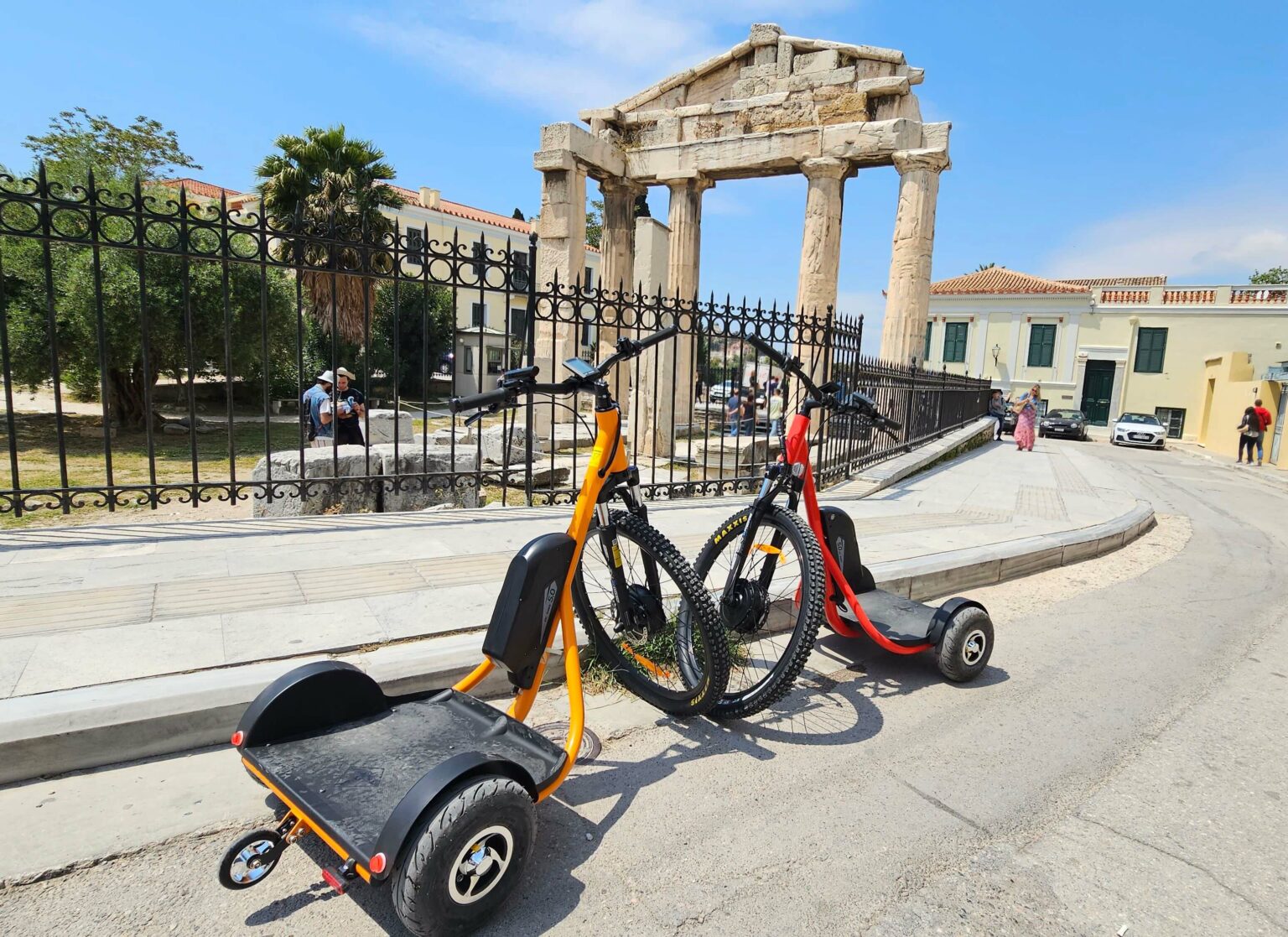
Whichever museum wins out, the getting-there part matters more than people expect. Both museums sit within a walkable but hilly stretch of central Athens, and after a morning of sightseeing, feet get tired faster than itineraries account for. This is where alternatives to walking, such as guided e-trike tours that cover the archaeological sites and neighborhoods around them, tend to appeal to travelers who want to see more without the exhaustion of a long hot walk between stops.
A company like Ayo Tours Athens, for instance, runs routes that pass many of the same landmarks connected to both museums, which can make the rest of the day's sightseeing far less draining before or after a museum visit.
There is no wrong answer between these two museums, only a better fit for the day you are having. If the ruins are still fresh in your mind, the Acropolis Museum will make sense of them. If you are curious about everything that happened in Greece before and after the ancient world, the Benaki fills that gap generously. And if your schedule allows it, seeing both, spaced out rather than rushed, gives you a far fuller picture of Athens than either one alone.
Frequently asked questions
What's the main difference between the Benaki Museum and Acropolis Museum?
The Acropolis Museum displays only artifacts from the Acropolis hilltop, creating a single focused story tied directly to one place. The Benaki Museum covers Greek history across centuries and regions, featuring Byzantine art, Ottoman textiles, island costumes and modern paintings alongside ancient objects.
Which museum should I visit if I've already been to the Acropolis?
The Acropolis Museum makes most sense after walking the ancient site, since it explains and contextualizes exactly what you just saw on the hill. The sculptures and friezes inside become personal references to the worn stones above, deepening your understanding of what remains.
Which museum is better for families with children?
The Acropolis Museum typically works well for families because it's compact, air-conditioned and tells a clear story that holds children's attention in under ninety minutes. The Benaki Museum is larger and more open-ended, which suits older children or adults who enjoy wandering without a strict narrative path.
Is the Benaki Museum worth visiting if I only have time for one?
The Benaki works well if you haven't climbed the Acropolis yet or prefer exploring Greek folk culture and art over temple architecture. It's also quieter than the Acropolis Museum and rewards curious visitors who like discovering lesser-known aspects of Greek life and history.
Can you visit both museums in one day?
Yes, it's possible to see both in a single day, though it depends on your pace and energy. Many visitors do this by spending ninety minutes at the Acropolis Museum and a shorter time at the Benaki, or vice versa depending on your interests.