
Somebody always says it after the fact, usually while fanning themselves with a paper map outside the Acropolis ticket booth: "We should have come earlier." It's the most common regret among visitors to Athens, and also one of the easiest to avoid, because the timing question has real answers. It isn't just about avoiding a queue. Light, temperature, crowd flow and even how the marble looks under the sun all shift depending on when you show up, and knowing this in advance changes the whole day.
Before getting into specifics, it helps to separate two different questions that people tend to mix together. One is which season to book flights for. The other is which hour of the day to actually climb up to the Acropolis once you're already in the city. Both matter, and the answer to each depends on slightly different things - weather patterns for the first, sunlight and tourist behavior for the second.
What season actually works best
Late spring, specifically April through early June, is often cited as the best time to visit Athens Acropolis, and for good reason. Temperatures sit in a comfortable range, wildflowers are still out along the Filopappou hill paths, and the harsh summer heat hasn't arrived yet. Autumn, particularly September and October, offers something similar in reverse - the crowds from peak summer have thinned, but the weather is still warm enough for evenings in Plaka without a jacket.
Summer in Athens is a different story. July and August bring temperatures that regularly climb past 35 degrees Celsius, and the Acropolis rock has almost no shade. Walking up in the middle of the day in August is a test of endurance rather than a sightseeing outing, and this is one reason so many visitors end up cutting their afternoon short and missing the Ancient Agora or the Temple of Olympian Zeus entirely.
Winter gets overlooked, and that's a mistake for a certain kind of traveler. Things to do in Athens Greece in November or even January include far quieter archaeological sites, cooler air that makes walking tours genuinely pleasant, and hotel prices that drop noticeably. Anyone asking what to do in Athens with kids in winter will find the same monuments, the same views, minus the lines and minus the heat exhaustion that summer brings on little legs.
Does the time of day matter more than the season
In some ways, yes. Even in low season, midday sun bounces hard off the white marble and stone pathways, and the Acropolis has very little natural shelter from it. Arriving right at opening, usually 8am, means walking through the Propylaea gate with soft morning light and a fraction of the visitors who will be there by 11am.
The other quiet window is late afternoon, roughly two hours before closing. Tour buses have usually cleared out by then, and the light turns the columns gold rather than the flat white of noon. This is also when Athens photography spots for Instagram tend to produce the best results, since harsh overhead sun during the day washes out most shots of the Parthenon and the city view beyond it.
Building it into a longer stay
Anyone working with a tight schedule, especially an Athens 2 day itinerary or a 3 day itinerary in Athens, should treat the Acropolis visit as the anchor around which everything else gets scheduled, not an afterthought squeezed between lunch and a museum. Mornings for the Acropolis and its slopes, afternoons for Plaka's narrow lanes and Monastiraki's market stalls, tends to work better than the reverse.
Travelers arriving for a single day, including those doing things to do in Athens Greece from a cruise ship stop, face the hardest version of this puzzle, since there's no flexibility to wait out a hot afternoon or a sudden crowd surge. In that case, an early start isn't optional, it's the entire plan.
Making the climb easier, whichever season you pick
The Acropolis itself involves uneven ancient stone and a genuine incline, and no amount of good timing changes that part. What does help is choosing how to cover the ground around it - the approach roads, Filopappou hill, the walk down through the Ancient Agora - so that energy is saved for the climb itself rather than spent getting there.
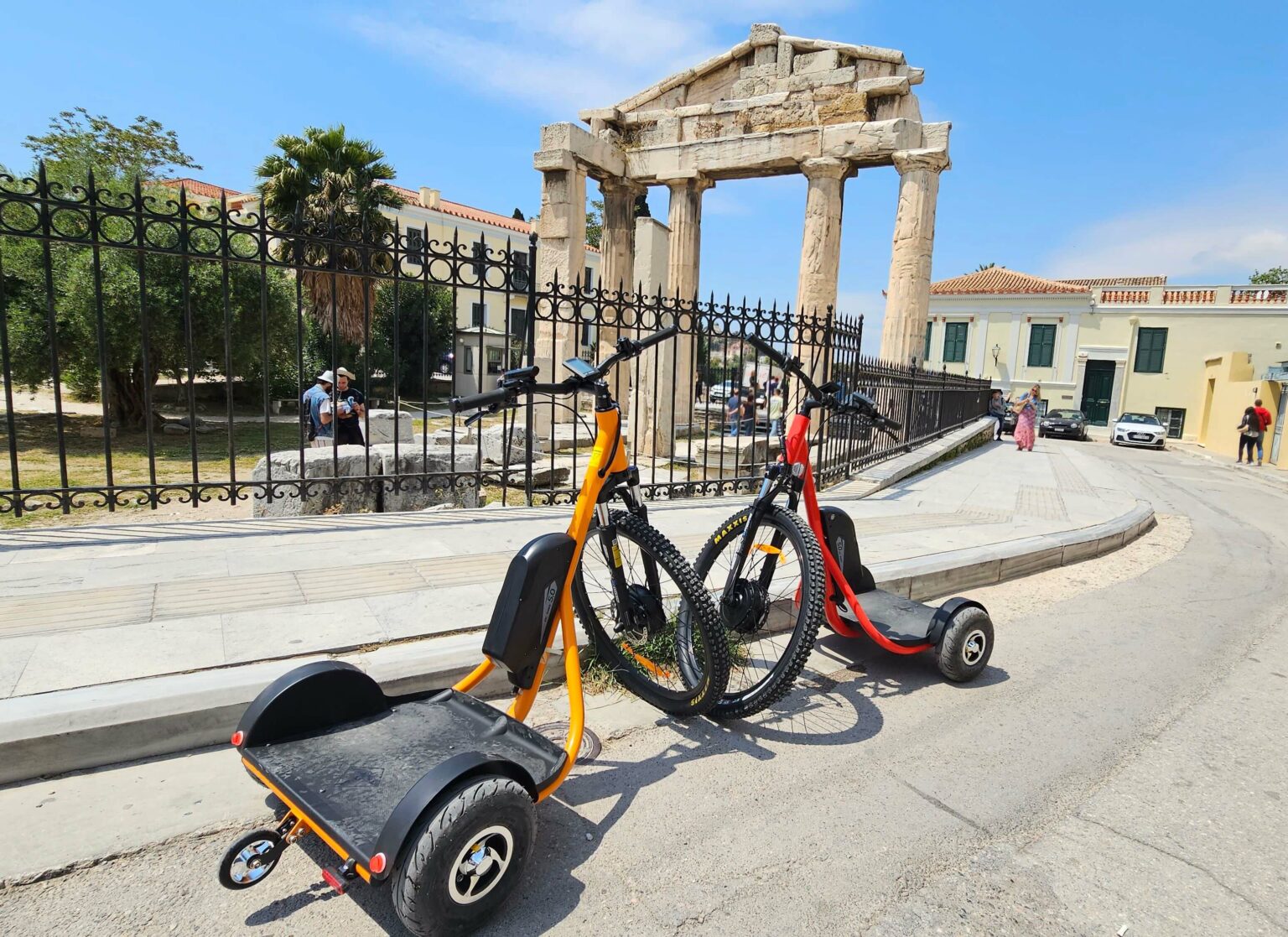
This is where guided options built for comfort start to make sense, particularly for families with young children, older travelers, or anyone dealing with limited mobility. Athens accessible tours have become more common precisely because visitors kept asking for a way to see the ancient sites without the long hot walk beforehand. Some companies, Ayo Tours Athens among them, run their sightseeing routes on electric trikes for exactly this reason, covering the flatter stretches around Plaka, Syntagma and the Panathenaic Stadium so the only real walking left is the part immediately around the monuments.
Whatever mode gets you there, the season and the hour still do most of the work. Spring or autumn mornings, or a quiet winter afternoon, will always beat a summer noon standing in a queue with no shade in sight. Pick the timing first, then build the rest of the day, the itinerary, the food stops in Plaka, the photo breaks, around it. Athens rewards people who show up at the right moment far more than it punishes those who show up at the wrong one - but the difference between the two is bigger than most people expect until they've felt it.
Frequently asked questions
What is the best month to visit the Acropolis in Athens?
April through early June is widely considered ideal, with pleasant temperatures and wildflowers still blooming before summer heat arrives. September and October are equally good in reverse, offering warm weather with significantly fewer visitors than peak summer months.
Is it better to visit the Acropolis in the morning or afternoon?
Early morning, typically around 8am when gates open, gives you soft light and a fraction of the crowds. Late afternoon, about two hours before closing, is also excellent once tour buses have left and the light turns the marble golden rather than harsh white.
Should I visit the Acropolis in winter?
Winter visits work well if you prefer fewer people and cooler temperatures for walking. November through January offer far quieter sites and noticeably cheaper hotels, though daylight hours are shorter and some days may be rainy or overcast.
Can I visit the Acropolis in summer?
July and August are possible but challenging. Temperatures regularly exceed 35 degrees Celsius, the stone has almost no shade, and midday visits become physically demanding rather than enjoyable sightseeing, especially for families with children.
How long should I spend at the Acropolis?
Plan your visit as the anchor of your day rather than a squeezed-in activity. A morning visit works best, allowing you to explore the slopes and nearby Ancient Agora while saving energy for the climb itself before afternoon heat builds.
What time of day is best for photography at the Acropolis?
Late afternoon produces the best results, with golden light on the columns instead of the flat white appearance from harsh midday sun. Early morning light is also soft and flattering for photographs.