
There is a particular look on a traveler's face around day two in Athens - somewhere between satisfaction and slight boredom. They have done the Acropolis, taken the obligatory photo with the Parthenon squeezed between someone's selfie stick and a tour flag, and now they are wondering, quietly, if that is really all there is. It rarely is. Athens has a whole second layer underneath the postcard version, and most people leave without ever peeling it back.
The tricky part is that "hidden gem" gets thrown around so loosely in travel guides that it has almost lost its meaning. Half the "secret spots" listed online have a queue by 10am because everyone read the same article. The real hidden corners of Athens tend to be the ones that require a small shift in habit - walking one street further, visiting at a different hour, or picking a neighborhood that is not on the standard loop between Syntagma and the Acropolis.
Why the Real Athens Hides in Plain Sight
Athens was not built for tourists, which is exactly why so much of it goes unnoticed. The ancient sites get roped off, signposted and photographed, but the city around them keeps living its ordinary life - laundry hanging over balconies two blocks from the Ancient Agora, a kafenio where old men have been playing backgammon since before the Euro existed. These places are not hidden in the sense of being secret. They are hidden in the sense that nobody tells you to slow down long enough to notice them.
This is also why timing matters more in Athens than in most cities. Arrive at a famous square at 7am instead of noon and it becomes a completely different place - quiet, local, unbothered by the day's heat. It is one reason people researching the best time to visit the Acropolis end up discovering, almost by accident, that the streets around it are far more interesting before the crowds arrive than after.
Anafiotika: The Village Nobody Expects to Find in the Capital
Tucked into the northeastern slope of the Acropolis, Anafiotika looks like someone airlifted a Cycladic island village into the middle of Athens and forgot to tell anyone. Whitewashed houses, narrow stepped alleys, bougainvillea spilling over low walls - it was built in the 1800s by stonemasons from the island of Anafi who came to work on the Acropolis restoration and simply stayed.
Most visitors walking through Plaka never wander up into it, mainly because the entrance is easy to miss between souvenir shops. Those who do find it usually end up staying far longer than planned, wandering dead-end lanes just to see where they lead. It is a good reminder that some of the best things to do in Athens involve no ticket, no schedule, and no plan beyond curiosity.
The First Cemetery of Athens
It sounds like an odd recommendation, but the First Cemetery, near the Panathenaic Stadium, is one of the most striking open-air museums in the city and almost nobody visits it. Marble angels, neoclassical mausoleums and the famous "Sleeping Girl" statue sit among cypress trees in near-total silence. Athenian sculptors from the 19th century treated grave monuments as serious art, and it shows.
It pairs naturally with a stop at the stadium itself, which is strange considering how often people skip both. Anyone building an itinerary around ancient highlights - the Temple of Olympian Zeus, the Agora, the Acropolis - tends to forget that some of the finest craftsmanship in Athens is not behind a ticket booth at all.
Neighborhoods That Rarely Make the List
Metaxourgeio and Its Street Art
West of Omonia, Metaxourgeio was an industrial silk factory district a century ago and has since become a magnet for artists, small galleries and some of the boldest street murals in the city. It is rough around the edges in places, but that roughness is part of what keeps it interesting - and it is the kind of area where you stumble onto more good photography spots in twenty minutes than a full afternoon in the tourist center.
Pangrati, the Neighborhood Locals Actually Live In
Pangrati sits just behind the Panathenaic Stadium, and it has the unhurried, residential feel that Plaka lost years ago. Small bakeries, family-run tavernas with no English menu, a Sunday market that locals still shop at - it gives visitors a version of Athens that has nothing to prove.
What About Families and Travelers With Limited Time
A common worry is that "off the beaten path" automatically means difficult - long walks, no facilities, nothing for children to do. That is not really true in Athens. Anafiotika involves stairs but short distances. Pangrati and Metaxourgeio are flat, walkable, and full of casual cafés where a tired seven-year-old can sit with a hot chocolate while adults finish their coffee.
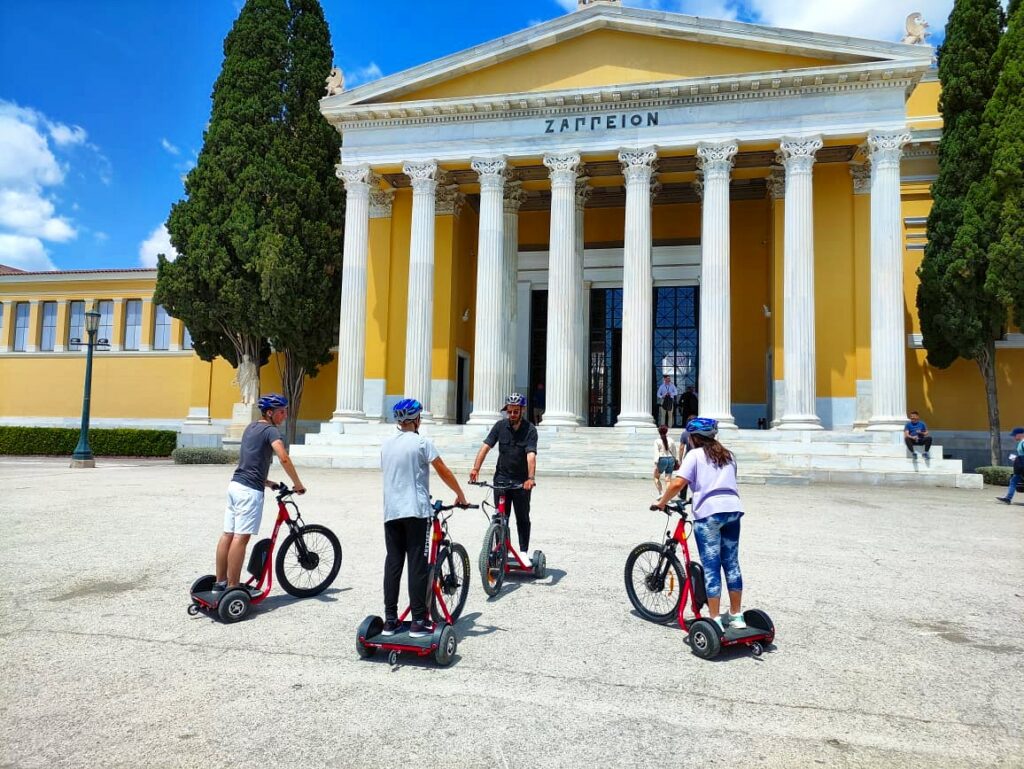
For anyone traveling with kids, or with a parent who cannot manage long stretches of uneven marble, covering more ground without exhausting everyone is really a logistics problem more than an adventure problem. This is where guided e-trike routes tend to work well, since they let a family or a small group cover several lesser-known corners of the city - a quiet square, a mural-covered side street, a viewpoint away from the main crowd - without anyone needing to worry about hills, heat or long walks between stops. A company such as Ayo Tours Athens builds several of its themed routes specifically around these overlooked corners, mixing them in with the major landmarks rather than treating the hidden spots as an afterthought.
Building a Realistic Two or Three Day Plan Around the Quiet Spots
Anyone piecing together a three-day Athens itinerary usually front-loads the big names - Acropolis on day one, Agora and Plaka on day two - and only discovers the quieter neighborhoods by accident on day three, if at all. Flipping that order slightly, mixing one major site with one hidden pocket each day, tends to produce a far more satisfying trip. A morning at the Temple of Olympian Zeus followed by an afternoon wandering Pangrati works better than cramming every famous site into forty-eight hours.
Even travelers arriving for just a day from a cruise ship can manage a taste of this. An hour at the Acropolis viewpoint, followed by a short detour into Anafiotika before heading back to port, gives a far richer impression of the city than the standard highlights-only dash.
Athens rewards the traveler willing to wander one street past the obvious stop. The famous ruins deserve their reputation, but the city's real character often lives in the quiet neighborhood behind them, the cemetery nobody visits, the village hiding above the tourist shops. Give yourself permission to get slightly lost - it is usually where the best part of the trip turns up.
Frequently asked questions
What are the best hidden neighbourhoods to visit in Athens?
Anafiotika, a whitewashed Cycladic-style village built into the Acropolis slope, feels like stepping onto an island despite being in the city centre. Pangrati, just behind the Panathenaic Stadium, has the local residential character that Plaka has lost - small bakeries, family tavernas, and a Sunday market where Athenians still shop. Metaxourgeio, west of Omonia, offers bold street art and photography spots in what was once an industrial silk factory district.
Is it worth visiting less famous sites in Athens?
Yes. The First Cemetery near the Panathenaic Stadium showcases 19th-century marble sculpture and neoclassical mausoleums in an almost empty setting. Ancient highlights like the Temple of Olympian Zeus pair naturally with neighbourhood exploration, and you often find more striking craftsmanship outside ticketed sites than within them.
When is the best time to explore Athens without crowds?
Early morning, around 7am, transforms famous squares and streets into quiet, local spaces before midday heat and tour groups arrive. Visiting at off-peak hours reveals the everyday city - laundry on balconies, locals playing backgammon at traditional kafenios - rather than the packaged postcard version.
How can families with young children explore off-the-beaten-path Athens?
E-trike tours make exploring neighbourhoods accessible for all fitness levels and ages, with children as young as five able to ride alongside a parent. This lets families cover more neighbourhoods, including areas with narrow alleys and hills that would be tiring on foot, while learning from local guides.
Do hidden gems in Athens require long walks to reach?
No. Many hidden spots, like Anafiotika and Pangrati, are within short walking distance of main sites or easily reached by e-trike. The key is timing and direction - often just walking one street further or visiting at a different hour reveals what most visitors miss.