
There is a particular mistake almost every first-time visitor makes in Athens, and it has nothing to do with the Acropolis or the metro. It happens at the table. Somebody orders a Greek salad because it sounds safe, a plate of plain grilled chicken because the kids will eat it, and calls it dinner - while three tables over, a Greek family is working through a spread of six or seven small dishes, a carafe of house wine, and enough bread to mop up every last bit of sauce. Athens is a city where the food deserves the same curiosity you'd bring to the ruins, and most people simply don't know where to start.
Part of the problem is that Athens doesn't hand you a single obvious "must-eat" dish the way some cities do. There's no one plate that sums up the place. Instead there's a whole rhythm to eating here - small plates before the main event, coffee that gets its own dedicated hour, street food eaten standing up, dinner that barely starts before nine. Once you understand that rhythm, choosing what to order stops being a guessing game and starts being one of the better parts of the trip.
Start With the Basics: Souvlaki, Gyro, and the Difference That Actually Matters
Ask five tourists what the difference is between souvlaki and gyro, and you'll usually get five uncertain shrugs, which is a shame because it changes what lands on your plate. Souvlaki is skewered, grilled meat - usually pork or chicken - served either on the stick or wrapped in pita with tomato, onion, and tzatziki. Gyro, on the other hand, is meat cooked slowly on a vertical rotisserie and shaved off in thin strips, then wrapped the same way. Both are excellent, both cost around three to four euros, and both are best eaten standing at a counter in Monastiraki rather than sitting down at a tourist-menu restaurant nearby.
The honest answer to "which is better" depends on what you want from the bite. Gyro tends to be juicier and more forgiving if you're not sure what you like. Souvlaki, especially when it's pork, has a slightly cleaner, more grilled flavor that some people prefer. Either way, the real test of a good souvlaki spot isn't the sign outside - it's whether there's a line of Greek office workers on their lunch break, because they won't wait in line for mediocre food.
What to Order Before the Main Course Even Arrives
Greek dining rarely goes straight from menu to entree. It moves through mezedes - small shared plates - and skipping this step means missing half the point. A table might start with tzatziki, melitzanosalata (smoky eggplant dip), a plate of grilled halloumi or feta baked in paper with honey, and maybe some fried zucchini or gigantes, the giant baked beans in tomato sauce that show up on nearly every taverna menu in some form.
This isn't about ordering more food than you need. It's about pacing a meal the way it's meant to be paced, with conversation stretched across an hour or two rather than compressed into twenty minutes. A family with young children can order two or three mezedes to share while deciding on mains, which also solves the very real problem of a hungry seven-year-old who needs something on the table immediately. Most tavernas expect this and bring bread and olives without being asked.
Where the Locals Actually Eat, and Why It's Not Always Where You'd Guess
The restaurants directly facing the Acropolis or lining the main square in Plaka are rarely where Athenians eat, and this isn't a controversial local secret - it's just economics. Prime real estate charges tourist prices for average execution. The better approach is walking two or three streets back from any major landmark, where rent drops and quality often rises because the owner is cooking for neighbors who will complain if the moussaka isn't right.
Areas like Koukaki, just south of the Acropolis, or parts of Exarchia and Pangrati, tend to have tavernas that haven't changed their menu in twenty years because they've never needed to. These aren't hidden gems in some mysterious sense - they're simply the places that don't bother with English menus or photos of the food, which oddly enough is usually a good sign. If you're touring the city and pass through a neighborhood that feels more residential than postcard-pretty, that's often worth noting for a dinner reservation later.
Sweet Endings: What Greek Dessert Actually Means
Baklava gets all the attention abroad, and it's genuinely good in Athens, but it's worth trying loukoumades too - warm, deep-fried dough balls drizzled with honey and cinnamon, sometimes topped with crushed walnuts. Street vendors and small dedicated shops sell them fresh, and there's a reason they've stayed a favorite snack for over a century rather than fading into a museum-piece dessert.
Galaktoboureko, a custard pie wrapped in phyllo, is less famous outside Greece but arguably more comforting - somewhere between a pastry and a pudding, and best eaten slightly warm. None of these desserts are heavy in the way a slice of cake might be; they lean on honey and citrus rather than sugar alone, which makes them a reasonable choice even after a large meal.
Coffee Culture: Slower Than You Think
Ordering a coffee in Athens and expecting to leave in five minutes is a mistake tourists make constantly, and it usually results in some confusion at the counter. Greek coffee culture treats the coffee as an excuse to sit, not a quick transaction. A freddo espresso or freddo cappuccino - both cold, both wildly popular even in winter - can occupy a table for an hour without anyone rushing you.
This matters practically when planning a day of sightseeing. Building in a real coffee stop, rather than a grab-and-go moment, tends to make the whole day feel less rushed. It's also one of the better ways to handle the midday heat in summer, when the sensible move is to step off the street entirely for a while rather than push through the hottest hours outdoors.
Handling Dietary Needs and Picky Eaters Without a Fuss
Vegetarian travelers often assume Greek food is meat-heavy across the board, but a huge portion of traditional mezedes are naturally plant-based - the eggplant dip, the fava (yellow split pea puree), stuffed vine leaves, horiatiki salad, and various vegetable-based pies. Ordering three or four of these together makes a full, satisfying meal without ever touching meat.
For families traveling with children who are hesitant about unfamiliar food, the good news is that Greek cuisine has plenty of gentle entry points - grilled cheese, fries, plain grilled chicken, and bread are always available, and no waiter will blink at a simple order. It's worth remembering that a day spent walking through the Ancient Agora or riding out to see the Panathenaic Stadium builds up an appetite fast, so a mid-afternoon snack stop is rarely wasted time.
Fitting Food Into a Full Day of Sightseeing
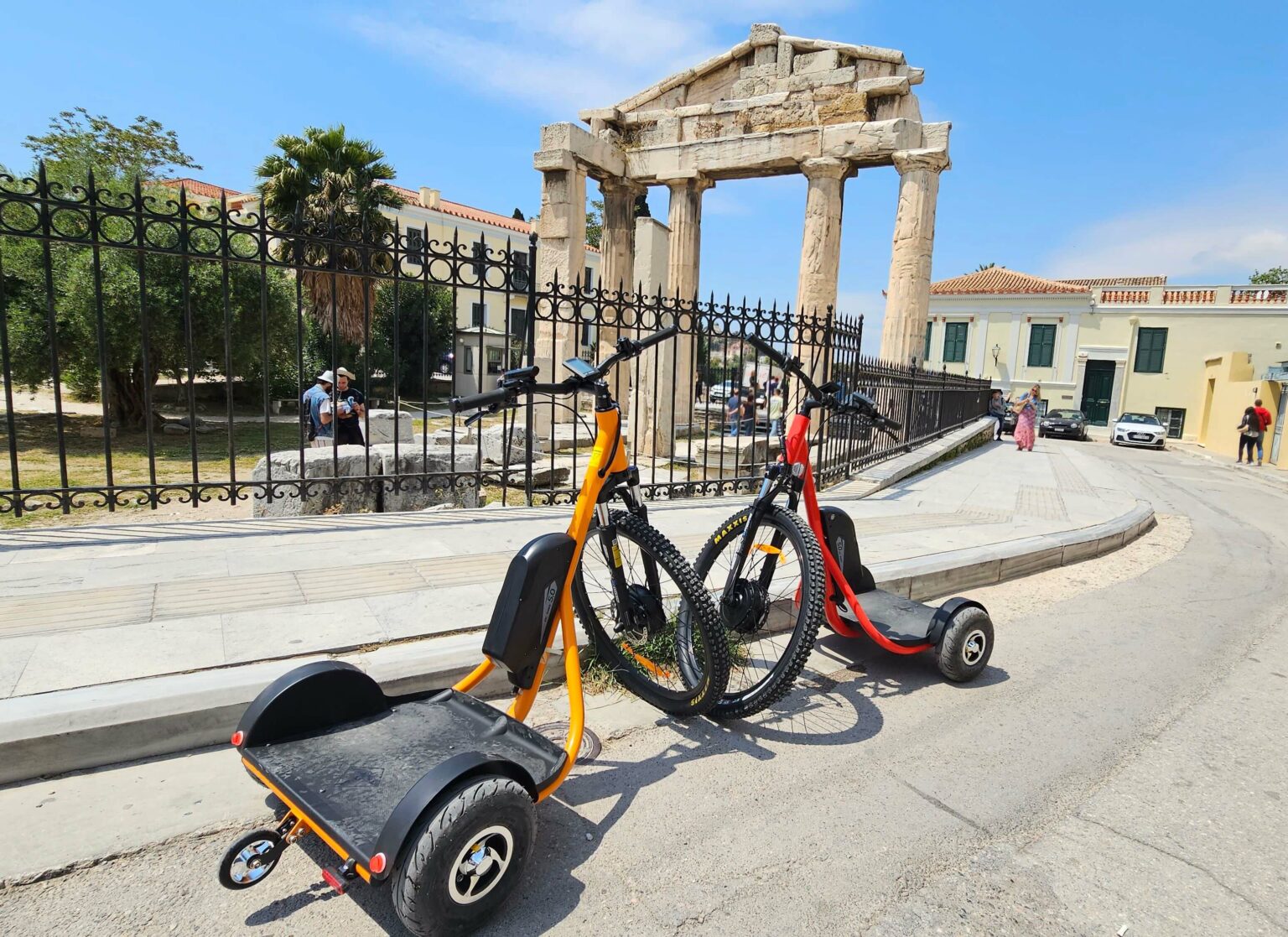
The best Athens itineraries treat food as part of the plan, not an afterthought squeezed in when everyone gets cranky. A two-day visit covering the Acropolis area, Plaka, and Monastiraki naturally passes dozens of food stops, and it makes sense to break up walking with proper sit-down meals rather than pushing through on vending machine snacks. Guided outings, including e-trike tours around the city's ancient and modern sites, often build in stops near good food streets precisely because guides know which corners are worth pausing at.
Eating well in Athens doesn't require research, reservations, or a food-tour app. It mostly requires slowing down enough to notice what's actually on the table around you, ordering a bit more than seems necessary, and giving a meal the same time you'd give a museum. The souvlaki stand with the long local line, the taverna two streets back from the main square, the coffee that lasts an hour - these are not compromises. They're the meal the city has been serving itself for generations, and there's no good reason not to join in.
Frequently asked questions
What's the difference between souvlaki and gyro?
Souvlaki is meat grilled on a skewer, while gyro is meat cooked slowly on a vertical rotisserie and shaved into thin strips. Both arrive wrapped in pita with tomato, onion, and tzatziki. Gyro tends to be juicier; souvlaki has a cleaner grilled flavor. The best test of quality is whether locals queue at the counter during lunch.
What should you order before the main course in Athens?
Mezedes - small shared plates - are essential to Greek dining and come before mains. Try tzatziki, melitzanosalata (eggplant dip), grilled halloumi, feta baked in paper with honey, fried zucchini, or gigantes (giant beans in tomato sauce). This paces the meal properly and gives hungry children something to eat while you decide on entrees.
Where do Athenians actually eat in Athens?
Look for tavernas a few streets back from major landmarks like the Acropolis or Plaka, in neighborhoods like Koukaki, Exarchia, or Pangrati. These places have lower rent and cook for neighbors who demand quality. The absence of English menus or food photos is often a good sign - it means the restaurant doesn't depend on tourist traffic.
What's a typical way to eat dinner in Athens?
Greek dining is leisurely and social. Meals typically start with bread, olives, and mezedes, then progress to mains around 9pm or later. Multiple small dishes and shared plates are the norm rather than one large entree per person. This rhythm allows conversation to stretch across hours rather than rushing through a quick meal.
What Greek desserts should you try in Athens?
While baklava is famous abroad and genuinely good in Athens, loukoumades - warm deep-fried dough balls drizzled with honey - are equally worth seeking out. Both offer authentic Greek sweet endings to a meal.