
You can pass a Byzantine church in Athens while looking for lunch and mistake it for a small neighborhood chapel. That is part of the appeal: some of the city’s oldest places of worship sit quietly among busy streets, shops and cafés, easy to miss if the day is planned around the Acropolis alone.
Choosing Byzantine churches in Athens worth visiting comes down to more than ticking off dates or monuments. Opening hours can be limited, services may be underway, and a compact church is best approached at an unhurried pace. A little planning helps make these visits feel like part of the city, rather than a detour squeezed between larger sights.
Start with the church you may already be near
The Church of Panagia Kapnikarea stands on Ermou Street, one of central Athens’s busiest shopping roads. Its stone walls and small domes appear almost unexpectedly between storefronts, and the contrast makes it a natural stop during a walk between Syntagma and Monastiraki. Even a few minutes outside offers a glimpse of a much older Athens beneath the modern street.
If the doors are open, visitors can step inside quietly and look at the interior frescoes. The space is modest, so there is no need to set aside a long visit. It works especially well when a shopping walk or coffee break already brings you nearby, rather than as a destination that requires crossing town.
Which Byzantine churches in Athens deserve more time?
The Church of the Holy Apostles, beside the Ancient Agora, is among the most rewarding choices for visitors combining religious architecture with ancient history. Built around the 10th century, it sits within the archaeological site, where its brickwork and dome offer a striking change of scale from the surrounding ruins. The church is generally viewed as part of a ticketed site, so check current access details before planning a visit.
Another notable stop is the Church of the Holy Trinity, also known as the Russian Church, near Syntagma. Its history and architecture reflect a later chapter in the city’s religious life, and its location makes it possible to pair with central Athens sights. It is an active place of worship, so access may vary with services and local arrangements.
Look for the small details, not a grand interior
Byzantine churches can feel different from Athens’s large classical monuments. A low dome, old masonry or a fragment of painted decoration may be the main thing to notice. In a quiet interior, the changing light and the scale of the room can matter more than the number of surviving artworks.
A useful example is the Church of Agios Eleftherios, tucked beside the Metropolitan Cathedral near Syntagma. Its compact form and carved stone details are easy to overlook when the larger cathedral draws the eye. Pause outside to notice the decorative blocks set into its walls, then enter only if it is open and visitors are welcome.
What should visitors know before stepping inside?
Churches are places of worship first, and tourist access is not always guaranteed. A door may be closed outside service times, or a service may make it inappropriate to look around. Before setting out, check recent opening information where available, and be ready to admire a building from outside if entry is not possible.
Dress respectfully and keep voices low, especially if people are praying. Photography rules differ, and flash is best avoided unless permission is clear. A small sign near the entrance may explain local expectations. These simple courtesies help preserve the calm that makes a brief visit memorable.
Can you visit them without turning the day into a history lesson?
Yes. It is easy to pair a church with places already on a central Athens route. Kapnikarea fits between Syntagma and Monastiraki; Agios Eleftherios sits beside the Metropolitan Cathedral; the Holy Apostles can be visited alongside the Ancient Agora. That approach keeps the day manageable, particularly in warm weather when long walks between landmarks can become tiring.
For a slower itinerary, choose one church in the morning and leave time for a nearby meal or shaded café. A local guide can add context about how Athens changed across different periods, but a guide is not essential for appreciating a church’s setting or materials. Some visitors prefer to read a little beforehand and explore independently; others find that a few spoken details bring the stones to life.
Common mistakes that make these visits less enjoyable
The most frequent mistake is expecting every church to be open like a museum. Visitors may arrive with a tight schedule only to find the door closed, particularly outside regular worship hours. Treat church visits as flexible stops, and keep a nearby alternative in mind, such as a plaza, museum or café.
Another mistake is trying to fit too many small sites into one afternoon. The streets around Plaka and Monastiraki are lively, and navigating them takes time even when distances look short on a map. Two churches visited with care often make a better day than five seen in a rush.
Make the route fit your energy and interests
For visitors who enjoy walking, central churches can be linked into a route with the Ancient Agora, Plaka and Syntagma. Families with young children may prefer to keep the stops short and build in a snack break; solo travelers can take their time noticing details that a group might pass quickly. In either case, comfortable shoes matter more than a packed schedule.
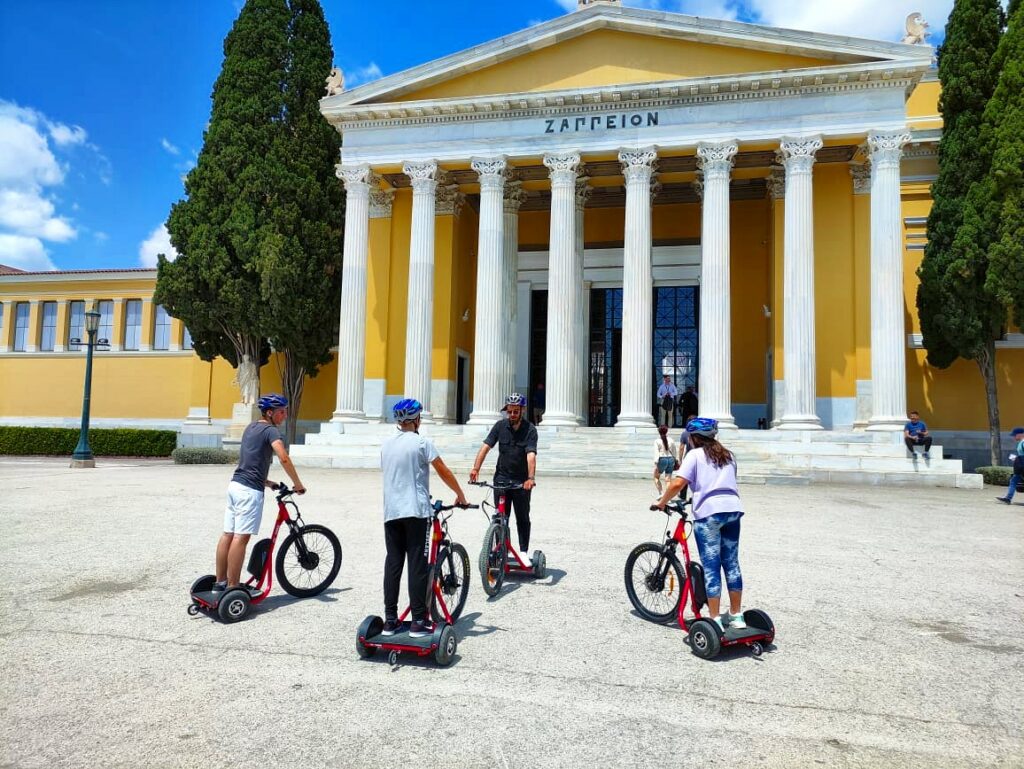
When heat, mobility or limited time makes a long walking route less appealing, consider a guided option that reduces the effort of moving between districts. A local company such as Ayo Tours Athens offers electric-trike sightseeing, which can help visitors cover central landmarks without relying on a full day of walking. Check the route and stop arrangements in advance, since not every church interior will be accessible during a tour.
Byzantine churches in Athens worth visiting are often the ones that fit naturally into a day already taking shape: a chapel on the way to lunch, a church beside an archaeological site, or a quiet pause after a crowded street. Leave room for a closed door or an unexpected service, and the experience can still be worthwhile. These small, lived-in places offer a gentler view of Athens - one that stays with you after the main sights grow busy.
Frequently asked questions
Which Byzantine churches in Athens are worth visiting?
Panagia Kapnikarea, the Church of the Holy Apostles, Agios Eleftherios, and the Church of the Holy Trinity are notable choices. Each offers a different glimpse of Athens’s religious history and can fit into a central sightseeing route.
Is Panagia Kapnikarea free to visit?
The church sits on Ermou Street, so you can view its exterior as you walk through the area. Entry depends on whether it is open and visitors are welcome; check locally before planning to go inside.
Can you visit the Church of the Holy Apostles in Athens?
The Church of the Holy Apostles is beside the Ancient Agora and is commonly visited as part of the archaeological site. Check current site access and ticket information before going, since arrangements can change.
What should I wear when visiting churches in Athens?
Choose respectful clothing and keep your voice low, particularly if a service is taking place. Follow any signs at the entrance, and avoid taking photos unless photography is clearly allowed.
How long does it take to visit Byzantine churches in Athens?
A small church may take only a few minutes to appreciate, while a visit combined with the Ancient Agora can take longer. Plan around nearby sights rather than trying to cross the city for several brief stops.
Are Byzantine churches in Athens always open to visitors?
No. Churches may be closed outside service times, and access can be limited during worship or by local arrangements. Check for recent opening details and be prepared to admire the building from outside.