
A museum visit can be the easiest part of an Athens day to underestimate. The Museum of Cycladic Art Athens guide begins with a useful reminder: this is a compact collection, but its ancient figures reward a slower look than a quick pass between larger sightseeing stops.
Set in the Kolonaki district, the museum offers a change of pace from crowded archaeological sites and sunlit streets. A little planning helps you decide how long to stay, which galleries to focus on and how to fit the visit into a day without turning it into another race across the city.
What makes the Museum of Cycladic Art worth visiting?
The museum is best known for its marble figurines from the Cyclades, the islands of the Aegean Sea, made thousands of years ago. Many have simple, folded shapes and quiet expressions, and their clean lines can feel unexpectedly familiar beside the busy detail of Athens outside. Their original purpose is not always known, which leaves room for curiosity rather than a single fixed interpretation.
The collection also places Cycladic objects alongside material from ancient Greek art and Cyprus. That wider setting gives the figurines context: they were part of cultures with their own beliefs, skills and daily routines, not isolated examples of modern-looking design. Take a moment to compare the small details, such as a carved nose or crossed arms, instead of looking only at the overall silhouette.
How much time should you set aside?
For a focused visit, allow around 90 minutes. That gives enough time to see the main Cycladic galleries and browse the other collections without rushing. Visitors with a strong interest in ancient art may want two hours, especially if they read the labels or pause to compare objects across rooms.
A practical plan is to visit in the morning, then stop for lunch or coffee nearby. Kolonaki has plenty of cafés, so the museum can fit neatly between a walk through the National Garden and an afternoon in central Athens. Check the museum’s current opening hours and ticket details before setting out, since schedules and access arrangements can change.
What should you look for in the galleries?
Start with the Cycladic collection and let your eyes adjust to its restrained forms. Some figures are small enough to fit in your hands; others are larger and more imposing. Notice how repeated shapes vary from one object to the next. A detail that seems minor at first - the angle of a head, for example - can change the feeling of an entire figure.
Then give time to the museum’s other collections rather than treating them as an afterthought. Objects from ancient Greece and Cyprus help show how artistic traditions developed across different places and periods. If a label is brief, use it as a prompt: what might this vessel have held, or why was this figure made? It is fine to leave some questions unanswered; uncertainty is part of what makes ancient objects absorbing.
How can you make the visit easier?
Wear comfortable shoes, but expect a much gentler outing than a day spent climbing the Acropolis. The museum is indoors, with galleries that suit a slower pace and a welcome break from summer heat. A small bag is easier to manage than a bulky backpack, particularly when moving through quieter rooms.
Before leaving, check practical details such as ticketing, photography rules and any temporary exhibitions. If visiting with children, agree on a simple mission - find the smallest figurine, or choose the object with the most unusual shape. This gives younger visitors something concrete to do without making the museum feel like a school assignment. Families with a child who tires easily can also plan a café stop afterward rather than trying to squeeze in another major site immediately.
Is it still worthwhile if you are not an art specialist?
Yes. No background in archaeology is needed to enjoy the collection, and visitors who prefer a clear story may find the setting approachable. The main challenge is not understanding every historical detail; it is giving the objects enough attention to notice how much variation sits within a seemingly simple style.
A common mistake is to rush in, take a few photographs and leave. The figures are often more compelling in person than they appear in pictures, partly because their scale and surface are easier to appreciate at close range. On the other hand, if ancient art is not your main interest and your Athens schedule is already crowded, a shorter visit can still be satisfying. Choose the galleries that draw you in and let the rest go.
What else can you see nearby?
Kolonaki is a good area for an unhurried walk, with shops, cafés and shaded streets offering a different feel from Plaka and Monastiraki. The National Garden is within a reasonable walk for many visitors, and Syntagma Square is also close enough to combine with the museum if the weather is comfortable. In hot weather, it may be kinder to take a taxi or use public transport between stops rather than adding a long midday walk.
If the museum is part of a broader day of sightseeing, avoid stacking it between distant landmarks without checking travel time. Athens can look compact on a map, but hills, traffic and summer temperatures make short distances feel longer. A local guide or small-group outing can help connect the museum with nearby historical areas, while leaving room to stop for a drink or a simple lunch.
How does it fit into a wider Athens itinerary?
The museum works particularly well on a day when you want a cultural visit without spending hours outdoors. Pair it with the National Garden or a relaxed meal, rather than trying to cover every major monument in one stretch. For visitors planning a longer stay, it also offers a quieter counterpoint to the Acropolis Museum and the archaeological sites.
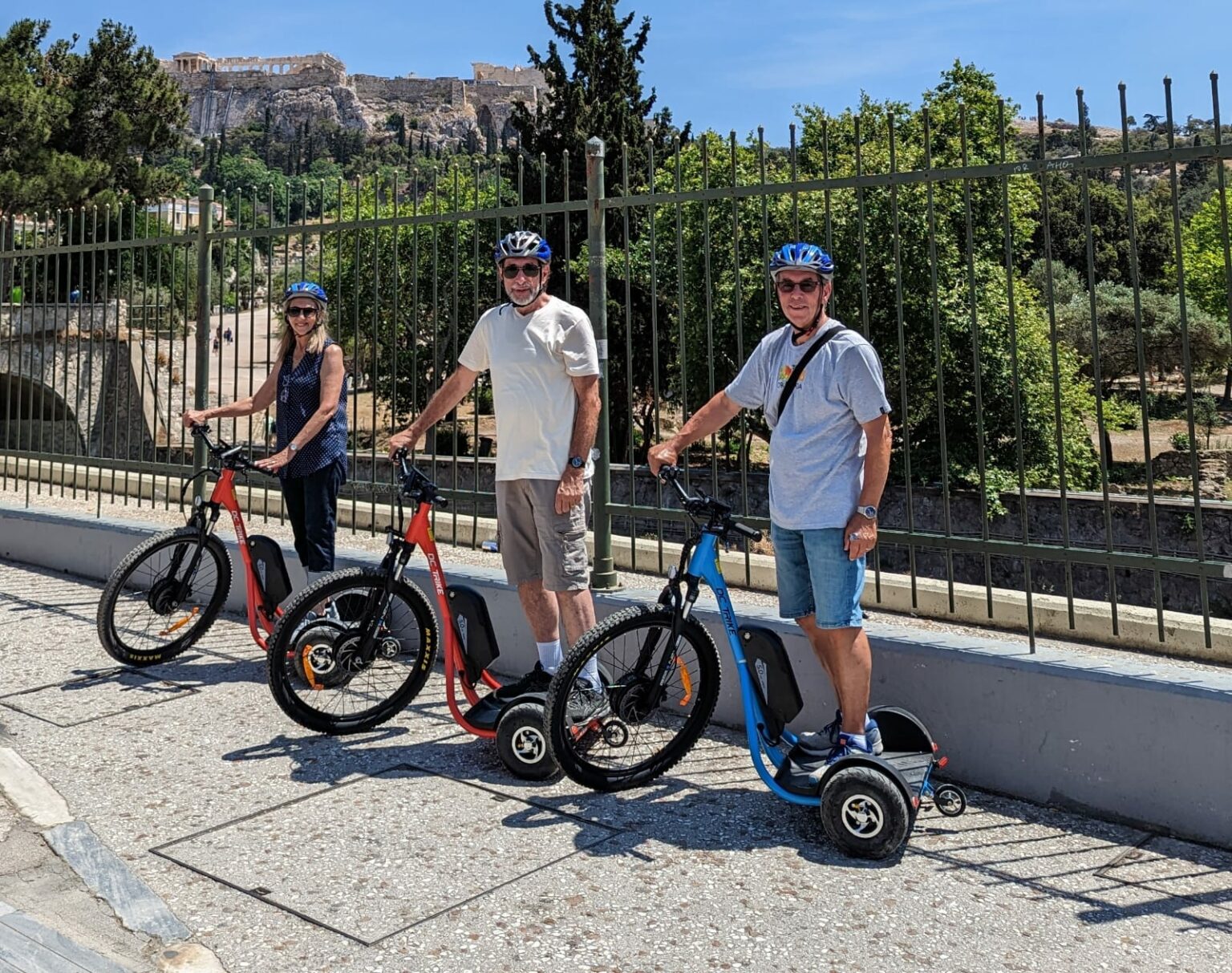
For a more comfortable way to cover several central sights, some visitors choose an electric trike tour, especially when heat or long walks are a concern. A local-led route can connect areas such as Syntagma, Plaka and the Ancient Agora, though it is best treated as a separate activity rather than a substitute for time inside a museum. Ayo Tours Athens is one local operator offering guided e-trike outings; the museum itself is easiest to enjoy at your own pace.
A good visit does not require an elaborate plan. Check the hours, allow enough time to look closely, and leave a little space afterward for a coffee or stroll through Kolonaki. With those basics in place, this museum of Cycladic art Athens guide can help turn a short stop into one of the more thoughtful parts of an Athens stay.
Frequently asked questions
Is the Museum of Cycladic Art worth visiting?
It is a worthwhile stop if you enjoy ancient objects, design or a quieter museum visit. The Cycladic figurines are distinctive, and the Greek and Cypriot collections add useful context. You do not need specialist knowledge to appreciate the displays.
How long does it take to visit the Museum of Cycladic Art?
Plan for about 90 minutes to see the main galleries without rushing. Allow up to two hours if you want to read more of the exhibit information or spend extra time with the collections.
What is the Museum of Cycladic Art famous for?
The museum is best known for marble figurines made in the Cyclades thousands of years ago. Its collections also include objects from ancient Greece and Cyprus, offering a broader view of the region’s art and cultures.
Where is the Museum of Cycladic Art in Athens?
The museum is in the Kolonaki district of central Athens. Check a current map and local transport information when planning your route, as the most convenient way to get there depends on where you are staying.
Can you visit the Museum of Cycladic Art with children?
Yes. A simple activity, such as finding the smallest figure or choosing the most unusual shape, can help children stay engaged. The indoor galleries also offer a slower-paced alternative to a day of outdoor sightseeing.
What should I check before visiting the Museum of Cycladic Art?
Confirm the museum’s current opening hours, ticket information and any visitor rules before setting out. Photography policies and temporary exhibitions may vary, so checking ahead can help you plan your visit.