
A first time in Athens can be full of plans: the Acropolis in the morning, the Plaka for lunch, perhaps a museum before dinner. The mistake is often trying to fit all of that into one hot afternoon, then wondering why the city feels like a checklist rather than a place to enjoy.
A few practical choices can make the difference between a tiring visit and one with time to notice the street musicians near Monastiraki or the shade of a café terrace. The best plan depends on the season, the people travelling and how much walking feels comfortable. A little flexibility helps, too.
First time in Athens mistakes to avoid when planning the day
Athens landmarks can look close together on a map, but the ground between them is not always easy going. A route from the Acropolis to Syntagma may include steep streets, uneven paving and little shade. Add queues and a long lunch, and a packed schedule can start to unravel.
It helps to group nearby sights and leave breathing room between them. The Ancient Agora and Monastiraki fit naturally into one day, while the Panathenaic Stadium and the Temple of Olympian Zeus can work well with a slower walk through the central gardens. If a museum matters, give it its own stretch of time instead of squeezing it in before closing.
The Acropolis is best approached with a timed ticket and an early start when possible. Midday sun can make the exposed paths feel demanding, especially in summer. Comfortable shoes, water and a pause in the shade are not minor details; they can determine how much energy remains for the rest of the day.
Assuming every walk is easy
Central Athens is walkable, but that does not mean every visitor will find every route comfortable. Plaka’s lanes and the slopes around the Acropolis can be tiring for young children, older relatives or anyone travelling with a mobility concern. Even a short walk can feel longer with a stroller or after a full day of sightseeing.
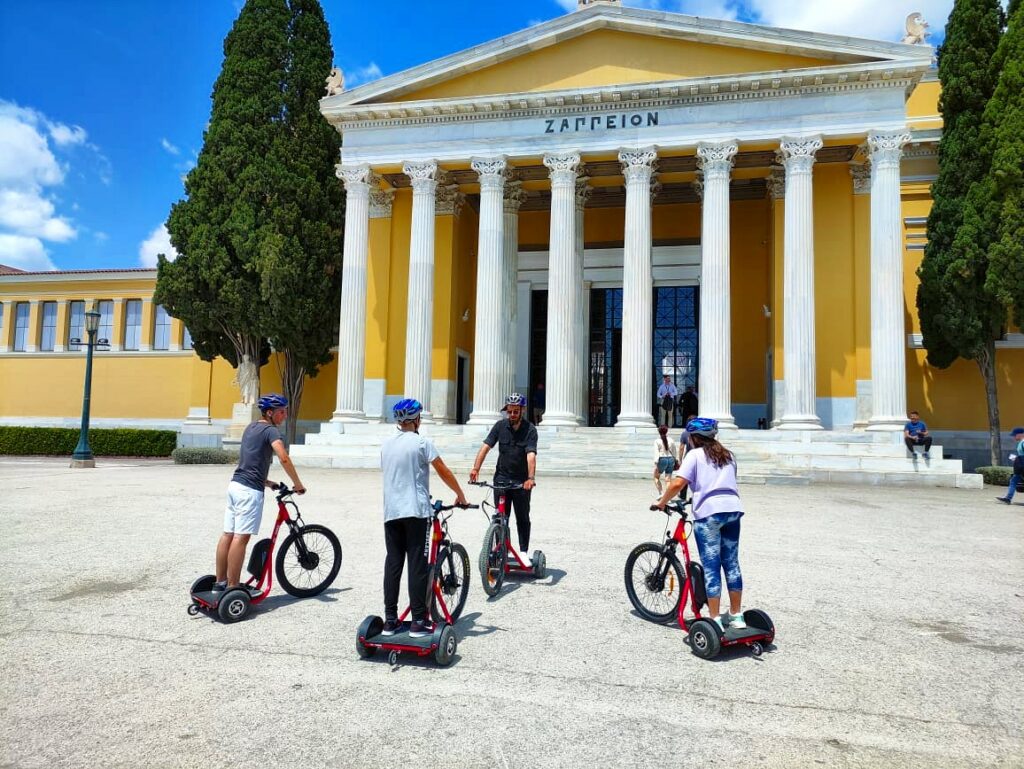
For families, it is worth checking age and comfort before choosing a route. Some electric trike tours allow children aged five to seven to ride with a parent, which can be a practical alternative to covering several neighbourhoods on foot. The three wheels provide stability, and electric power removes the need to pedal, though routes and age rules should always be confirmed in advance.
There is no need to make every outing active. A taxi for a steep stretch, a long café stop or an afternoon back at the hotel can keep the next day enjoyable. Rest is part of the itinerary, not a failure to see enough.
Treating Athens as a city of ancient ruins only
The ancient sites deserve their place on the itinerary, but Athens is also a living city, with busy markets, neighbourhood bakeries and people heading home from work. Spending the whole visit between ruins can leave little sense of how the city works today.
A simple way to balance the trip is to pair one major archaeological site with a modern neighbourhood. After the Ancient Agora, browse the stalls around Monastiraki; after the Acropolis Museum, find a small taverna beyond the busiest streets. For a wider perspective, the Athens Trilogy - the Academy, University and National Library - offers a striking look at the city’s nineteenth-century civic architecture.
Local guides can add useful context when the city’s history feels like a lot to absorb at once. A good guide may connect the Acropolis viewpoint to contemporary streets below, rather than treating each stop as a separate fact. For independent visitors, even a short guided outing can help make later wandering more meaningful.
Leaving food and breaks until later
It is easy to plan sightseeing down to the hour and assume lunch will sort itself out. In practice, arriving hungry at the busiest restaurant street can mean a long wait or a meal chosen mainly because it is nearby. A bakery stop, a market visit or a booked dinner can make the day feel much less rushed.
Athens is good for unhurried meals, but the timing may differ from what visitors expect at home. A late dinner is common, and popular places can fill up. If travelling with children, keep a snack in a day bag; a koulouri from a bakery can bridge the gap between an early lunch and a later meal.
Food tours can suit visitors who want to sample local dishes without researching every stop. They are not essential, and a neighbourhood lunch can be just as rewarding. The useful question is whether a hosted experience would add comfort or context to the trip, rather than simply filling another slot.
Thinking transport is either walking or taxis
The metro is useful for longer distances, but it cannot take visitors to every doorway or viewpoint. On the other hand, relying on taxis for every short trip can add cost and keep the city at a distance. A mix of transport usually works better.
Check the route before setting out, especially if a day includes a transfer or a time-specific ticket. The metro can be busy around central stations, so allow extra minutes when travelling with children or luggage. For a relaxed overview, a guided e-trike ride can cover several central areas without the effort of a long walk; it is one option among many, not a substitute for every kind of sightseeing.
When comparing tours, look for clear information about the route, group size, duration and what happens in poor weather. A local operator such as Ayo Tours Athens offers guided city rides as well as rentals, but the right choice depends on whether a visitor prefers commentary, independence or simply a slower day.
Booking too much before checking the season
Weather changes the feel of Athens more than many first-time visitors expect. In summer, long exposed walks are hardest around the middle of the day. Spring and autumn often make outdoor sightseeing more comfortable, while winter can bring cooler, wetter spells that call for indoor alternatives.
Before booking several outdoor activities, check opening hours, ticket conditions and cancellation policies. A food walk may be more appealing than a long route on a warm afternoon, while a museum can be a welcome change on a rainy day. The same plan does not suit every month, and that is a reason to keep one part of the itinerary adjustable.
It is also easy to underestimate travel time if Athens is being used as a base for other trips. An ancient Corinth day trip from Athens or a ferry connection to the islands needs its own planning, including transport to the departure point. Avoid placing a major city visit immediately before a tight connection.
Making the trip a test of endurance
Some visitors worry that slowing down means missing Athens. Usually, the opposite is true: a quiet coffee, a shaded bench or an evening stroll can make the city feel more vivid than another rushed stop. A memorable first visit does not require seeing every landmark.
Choose a few priorities, then leave room for what catches your attention. That might be a view over the rooftops, a small shop in Plaka or the sound of a neighbourhood square filling up after sunset. For a first time in Athens, the most useful mistake to avoid is treating the city as a race; a thoughtful pace leaves more room for its everyday pleasures.
Frequently asked questions
What mistakes should first-time visitors avoid in Athens?
Trying to see too much in one day can make Athens feel rushed and tiring. Plan a few nearby sights, leave time for breaks, and include both historic attractions and everyday neighbourhoods.
How many days do you need in Athens for a first visit?
The right amount of time depends on your interests and pace. Allow enough time for major archaeological sites, neighbourhoods, meals, and rest rather than treating the city as a checklist.
Is Athens easy to explore on foot?
Many central sights are close together, but hills, uneven paving, heat, and limited shade can make some walks harder than they appear on a map. Wear comfortable shoes and consider transport or a guided tour for longer routes.
What is the best time of day to visit the Acropolis?
An early visit can help you avoid the strongest midday heat, especially in summer. Check current ticket and entry arrangements before you go, and leave time for the site rather than squeezing it between other attractions.
What should I wear and bring for sightseeing in Athens?
Choose comfortable shoes for slopes and uneven streets, and carry water and sun protection in warm weather. A light snack can also help if meals are later than you are used to.
How can I see more of Athens without walking all day?
Use taxis or other transport for steep or longer stretches, and plan café or hotel breaks into your day. Guided electric e-trike tours are another option for covering several areas with less effort; check the tour route and age requirements before booking.