
The Athens Marathon history and route can look simple on a map, but that is exactly where many visitors misread it. The line from Marathon to the city is not only a race course, it is also a moving piece of Greek memory, with road closures, crowded viewpoints and long stretches where the scenery matters as much as the result.
For travellers, the real question is usually less about athletic stats and more about how to experience the day well. Some want the story behind it, some want the best places to watch, and some just want to know whether a hotel breakfast near Syntagma is enough before standing in the sun for hours.
Start with the story behind the start line
The easiest way to understand the Athens Marathon history and route is to begin where the race begins, in Marathon itself. The event is tied to the ancient story of the messenger from Marathon to Athens, so even the name carries a sense of distance, urgency and endurance. That is why the route feels different from many city marathons that loop through modern streets and stadiums.
At the start, the atmosphere is often quiet in a way that surprises first-time visitors. There may be buses lined up, runners warming up in trainers, and early light over open ground, but the setting still feels rooted in memory. It is the sort of moment that makes people pause, the way they might before entering the Panathenaic Stadium or standing near the Acropolis viewpoint and trying to take in the whole scene at once.
Why the route matters more than the finish time
A race course tells a city what it values. In this case, the route connects a rural beginning with an urban ending, so the contrast is part of the experience. Fields, main roads, neighbourhood edges and city avenues all play a role, and that shift is one reason spectators often talk about the route long after they have forgotten the winning time.
For visitors, this matters because the race is not confined to a single stadium or square. It spreads across places people may already want to see, from the approach toward central Athens to areas near Syntagma and the wider historic core. If you are planning sightseeing around it, the route can shape the day more than a museum ticket does.
The landmarks that give the race its shape
Some races are defined by scenery alone, but in Athens the route passes through layers of meaning. People think of the Acropolis, the Temple of Olympian Zeus, Plaka and Monastiraki not as isolated stops but as parts of a city that still carries ancient Athens into daily life. Even those watching from a café table with a glass of water and a plate of spanakopita can feel that connection.
It helps to read the course as a series of changing backdrops rather than one continuous road. A section near the city centre may feel energetic and noisy, while an earlier stretch can seem almost spare. That contrast is part of the appeal, and it is one reason many travellers search for an Athens marathon guide before deciding where to stand.
Six ways to experience the Athens Marathon history and route
There is no single right way to take in the race, which is useful to remember if you are travelling with different interests in the same group. One person may care about the historical story, another about the route map, and another simply wants a practical plan that avoids long waiting in the heat.
1. Follow the route as a story, not only as a line
A map is helpful, but the route becomes easier to grasp when it is tied to the city’s larger memory. Marathon, ancient Athens and the modern capital are linked by movement, not by a single monument. Even a simple glance at an Athens marathon route map can become more meaningful when you imagine where the runners are in relation to the city’s older sites.
That is especially true if you have also been reading about ancient Athens culture or looking at an Athens ancient agora guide. The race does not pass through every important site, of course, but it belongs to the same city of stone, traffic and public life. A visitor who has walked the ancient agora of Athens in the morning and watched runners later in the day usually feels that connection more clearly.
2. Choose one viewing point and stay with it
Spectators often try to see too much and end up seeing too little. A better plan is to pick one practical spot, whether that is near a metro stop, a hotel frontage, or a café with an open terrace, and stay there. The race moves quickly once the leaders arrive, and long walks between viewpoints can leave people tired and frustrated.
This is especially true for families or anyone travelling with children, older relatives or heavy day bags. A shaded corner near central Athens can be far more enjoyable than chasing the field along unfamiliar streets. Sometimes the quiet pleasure is in having time for coffee, a bottle of cold water and a clear view of the road rather than standing in the middle of a crowd.
3. Use the marathon to anchor a wider sightseeing day
For many visitors, the most useful approach is to let the marathon shape a broader plan for the city. Morning race viewing can sit beside a visit to the Panathenaic Stadium, a slow walk through Plaka, or time near the Temple of Olympian Zeus. That way, the day feels connected instead of fragmented.
This is also where the practical side of Athens sightseeing places matters. If you already know where your hotel is in relation to Syntagma or the old centre, it becomes easier to decide whether to move on foot, by metro or by a guided ride. A visitor who has only a few days in Athens often appreciates plans that avoid backtracking across hot pavements.
4. Think carefully about timing and heat
The marathon season may sound mild on paper, but Athens can still be warm enough to drain energy quickly. A standing position in open sun is very different from a brief walk between museums. People who underestimate this often find themselves buying an extra water bottle, looking for shade under a plane tree, or asking a policeman where the nearest entrance point is.
It is worth checking practical details such as Athens Marathon hours, road access and any special crowd arrangements, especially if your day also includes the Athens ancient Agora hours or a visit to the ancient agora of Athens. The city rarely rewards guesswork. A little planning can make the difference between a pleasant morning and a day spent repeatedly saying, "Where is the nearest crossing?"
5. Make room for the history, not only the logistics
One common mistake is treating the race as something to observe from a distance without understanding why it matters. The better approach is to give the historical side some room, even if that means reading a short account before you go or asking a local guide a few simple questions. A race with this background feels different once you know how its modern route echoes the old story.
If you are the kind of traveller who likes context, an Athens ancient agora museum stop or a walk through the ancient Athens museum collections can add useful perspective. The city starts to feel less like a list of attractions and more like a place where movement, memory and public space still overlap. That gives the marathon a richer frame than a stopwatch ever could.
6. Choose comfort if you plan to cover more than one area
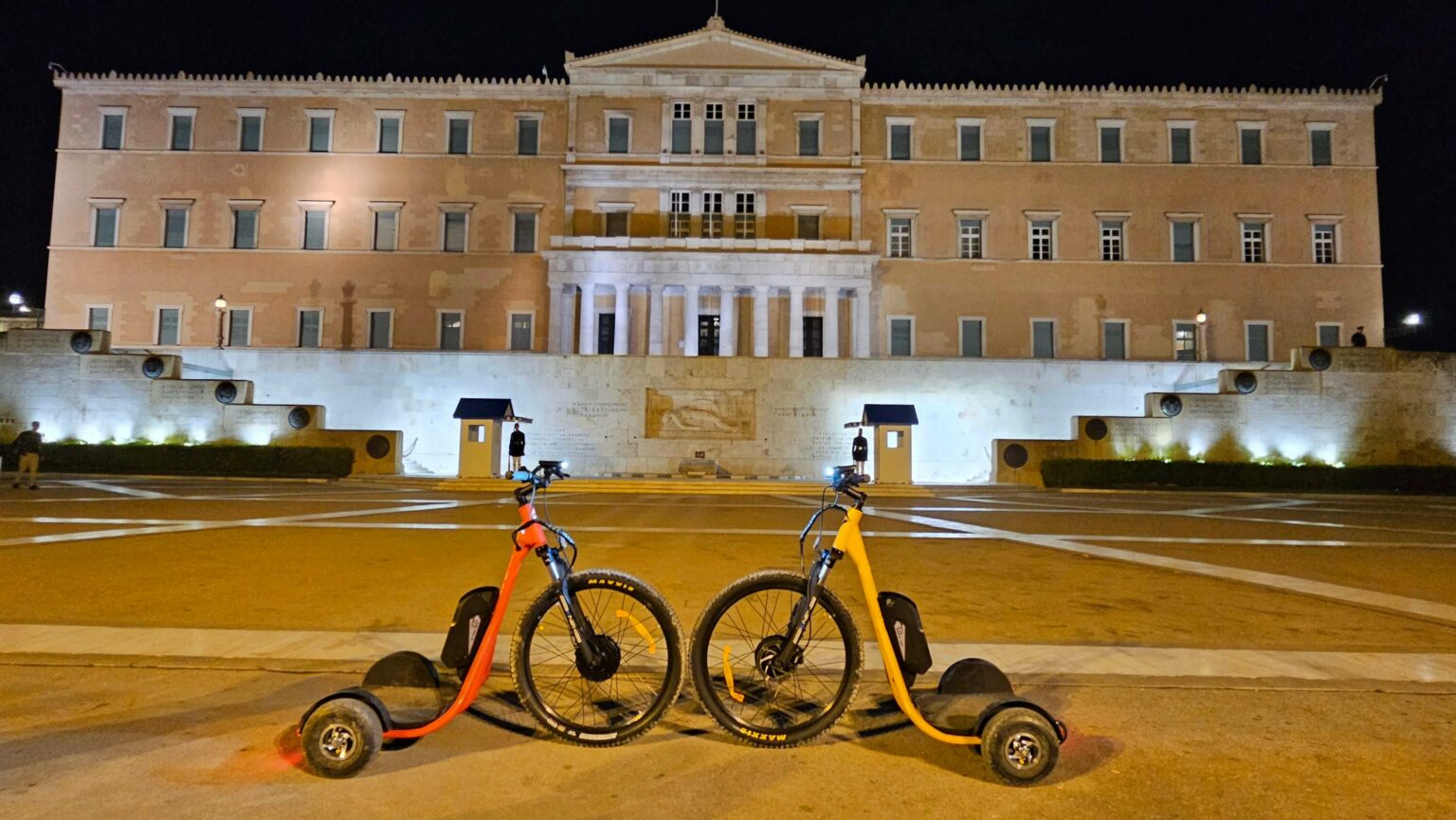
Some visitors want to see the start, the city centre and a few landmarks in one day, which can be a lot on foot. In that case, it helps to think beyond traditional walking tours. A stable electric trike or a guided ride can make the gaps between sites feel manageable, especially if the weather is bright and the roads are busy with race activity.
That kind of option can suit couples, families and solo travellers who do not want to spend the whole day marching from one point to another. A local operator such as Ayo Tours Athens, for example, can be a sensible choice for visitors who prefer a calm, eco-friendly way to move between historic streets and modern districts without losing the thread of the day. The point is not speed for its own sake, but a steadier way to see more without wearing yourself out.
Common mistakes that make the day harder
The biggest mistake is assuming the marathon is only for runners. In practice, it affects transport, crowds and timing across much of the city, so a traveller who ignores it may end up stuck behind barriers or late for lunch. A second mistake is trying to combine too many sights before or after the race, as if Athens were a compact museum district rather than a city with distance and heat between its main points.
Another easy error is underestimating how useful a simple route plan can be. People often arrive with only the name of a landmark in mind, then discover that the Athens ancient agora entrance, the surrounding streets and nearby cafés all matter if they want an unhurried day. The marathon route works the same way. It is not only about where the race goes, but how you position yourself around it.
A sensible way to remember the route
If the Athens Marathon history and route leaves one lasting impression, it is that the race belongs to a living city, not a museum piece. The best experience usually comes from combining a little historical context with a practical plan for heat, transport and one or two well-chosen viewing spots. That leaves space for the emotional part too - the small thrill of seeing a famous course come alive on ordinary streets, past cafés, crossings and old stone.
For visitors who want to see Athens without overcomplicating the day, that balance matters more than chasing every landmark. A good plan turns the marathon into part of the city’s larger story, and Athens is generous when you give it time to unfold.
Frequently asked questions
What is the history of the Athens Marathon?
The Athens Marathon is closely tied to the ancient story of a messenger who ran from Marathon to Athens. That connection gives the race a strong historical identity and makes it different from many modern city marathons. It is seen as both a sporting event and a tribute to Greek memory and endurance.
What is the route of the Athens Marathon?
The route starts in Marathon and ends in central Athens. It moves from the wider landscape outside the city into the urban heart of Athens, which is part of what makes the course distinctive. The exact road layout can vary slightly by year, so spectators and runners usually check the current official map before race day.
Where does the Athens Marathon finish?
The finish is in central Athens, at the Panathenaic Stadium. That setting is important because the stadium is one of the city’s most iconic sporting landmarks. Many visitors find the final stretch especially memorable because it brings the race into a place strongly linked with Olympic history.
Is the Athens Marathon route good for spectators?
Yes, but it helps to choose one viewing point instead of trying to follow the race all day. Central sections are usually the easiest for visitors because they are closer to major landmarks and public transport. Early planning matters, since road closures and crowds can affect movement around the city.
How difficult is the Athens Marathon course?
The course is known for being challenging in places, especially compared with flatter city routes. Heat, road conditions and the long approach to Athens can all affect runners’ experience. For visitors watching the race, the main concern is usually comfort, shade and how to get around the city during closures.
What landmarks are near the Athens Marathon route?
The route connects with the wider historic center of Athens, so landmarks such as the Panathenaic Stadium, Syntagma area and parts of the old city are often part of the discussion. Depending on the year’s course, spectators may also think about places associated with the Acropolis, Plaka and other central districts. It is best to check the current route map for the exact streets and viewing areas.