
There's a particular kind of confusion that hits first-time visitors to Monastiraki around midday on a Saturday. The square is packed, every side street seems to sell the same three things - blue evil-eye keychains, olive wood spoons, souvenir magnets shaped like the Parthenon - and it's hard to tell whether you're standing in a real flea market or an outdoor gift shop that never closes. The truth is both exist here, layered on top of each other, and knowing how to tell them apart makes the difference between leaving with a drawer full of clutter and leaving with something you'll actually keep.
Monastiraki has been a trading spot since Ottoman times, and the flea market that gives the neighborhood its reputation isn't really one market at all. It's a patchwork of permanent shops, weekend-only stalls, and semi-legal blankets spread on the pavement, each with different hours, different prices, and different reasons to exist. Figuring out which is which takes about ten minutes once you know what to look for, and that's really what this guide is for.
When Is the Flea Market Actually a Flea Market?
The name "flea market" gets thrown around loosely in Athens, and it causes real confusion for visitors trying to plan a morning around it. The daily shops along Ifestou and Pandrossou streets sell antiques, records, coins, army surplus gear, and secondhand furniture, and they're open most days, though hours shrink outside peak season. The genuine flea-market energy, though - the unlicensed sellers, the folding tables, the sudden appearance of someone selling exactly one box of vintage cameras - belongs mostly to Sunday mornings.
Sunday, roughly between 8am and 2pm, is when Avissynias Square and the surrounding lanes fill with sellers who show up specifically for that window. Vendors set up trestle tables covered in old vinyl, brass door knockers, military medals, typewriters, and the occasional genuinely strange item, like a box of 1970s dental tools nobody quite knows why they're selling. Arriving by 9am means better light for browsing, thinner crowds, and sellers who haven't yet hit their stride with pricing tourists higher than locals.
What's Worth Buying, and What Isn't
Not everything glittering on a Monastiraki table deserves a spot in your suitcase, and it helps to separate genuine finds from filler. Ceramics with irregular glazing, handmade leather sandals, and small icons painted on wood tend to hold up as souvenirs with actual character. A pair of leather sandals from a stall that's been there for twenty years, shaped and sized by hand while you wait, says more about Athens than a shrink-wrapped magnet ever could.
On the other end, mass-produced items dressed up as "traditional" are everywhere - plastic worry beads sold as olive wood, machine-stamped coins presented as ancient, printed scarves claiming to be silk. A quick pinch test or a look at the stitching usually tells the story. If a "handmade" leather bag has a factory tag sewn into the lining, it was made somewhere far from that stall.
A Simple Way to Judge Quality on the Spot
Ask the seller where the item was made, and watch how they answer. Someone selling genuinely local craftwork usually answers immediately and specifically - a workshop name, a neighborhood, sometimes even a family name. Vague answers, deflection, or a sudden change of subject are reasonable signs the item came from a wholesale warehouse rather than a local hand.
Bargaining Without Making It Awkward
Haggling in Monastiraki is expected, but the tone matters more than the tactic. Sellers respond well to friendly, unhurried conversation - asking about the object, complimenting the craftsmanship, mentioning you're comparing a few stalls - far more than to an aggressive lowball opener. A fair opening offer usually sits around 20 to 30 percent below the asking price, with room to settle somewhere in the middle.
It helps to remember that many sellers are working with thin margins already, especially the ones selling genuinely handmade goods rather than imported stock. Treating the process as a friendly negotiation rather than a contest tends to get better results, and it makes for a more pleasant five minutes for everyone involved.
Eating Your Way Through the Market
No visit to this part of Athens is complete without pausing for food, and this is where a broader athens food guide what to eat naturally overlaps with a market visit. Souvlaki stands near the square serve pork or chicken skewers wrapped in warm pita with tomato, onion, and tzatziki, usually for a few euros, and they're busiest right when you'll want them most, around 1pm. A few steps further, small bakeries sell koulouri, the sesame-covered bread ring that Athenians eat walking to work, and it makes a perfect market snack that doesn't require sitting down.
For something more substantial, the streets just off the square hold small tavernas serving grilled octopus, fried zucchini with tzatziki, and Greek salad heavy on the feta rather than the lettuce. Sitting at one of these after browsing gives tired feet a break and turns market shopping into a proper afternoon out rather than a rushed errand.
Common Mistakes First-Time Visitors Make
The most frequent mistake is treating Monastiraki as a five-minute photo stop rather than an actual place to spend time. Rushing through means missing the shops set back from the main square, where prices tend to be fairer and the selection more interesting than the stalls facing the crowds. Slowing down for even twenty extra minutes usually turns up something worth remembering.
The second mistake is assuming everything closes by early afternoon. While the Sunday flea-market stalls do wind down by early afternoon, many of the permanent antique shops stay open into the evening, particularly in warmer months, and browsing them after dinner with fewer crowds is genuinely more pleasant than doing it at noon in the sun.
Getting There Without the Long, Hot Walk
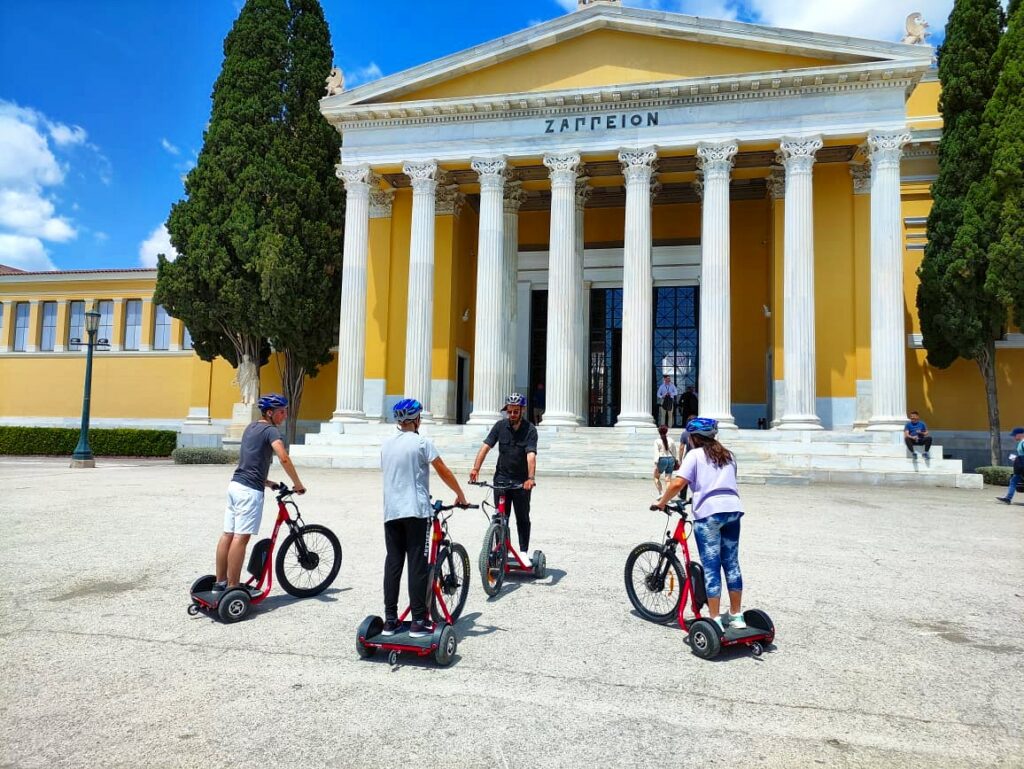
Monastiraki sits close enough to the Acropolis, Ancient Agora, and Plaka that many visitors try to cover all of it on foot in a single stretch, which sounds efficient until the midday heat sets in and everyone's dragging. Some visitors instead build the market into a wider loop that includes the Acropolis viewpoint and the Ancient Agora, covering more ground without the exhaustion that usually cuts a day short. A guided e-trike tour, like those run by Ayo Tours Athens, is one way people handle this stretch of the city without wearing themselves out before lunch, since the electric motor takes care of the effort and leaves more energy for actually enjoying the market once you arrive.
However you choose to move through the neighborhood, the market itself rewards patience more than planning. Go on a Sunday morning if antiques and genuine flea-market chaos interest you, go any other day if you'd rather browse shops at a calmer pace, and leave room in the schedule for at least one unplanned stop, because in Monastiraki, the best finds are rarely the ones you went looking for.
Frequently asked questions
When is the best time to visit Monastiraki flea market?
Sunday mornings between 8am and 2pm offer the most authentic flea market experience, with temporary vendors setting up trestle tables of vintage and secondhand goods. Arriving by 9am gives you better light, smaller crowds, and sellers still pricing fairly before the tourist rush.
What should I buy at Monastiraki flea market?
Handmade ceramics with irregular glazing, custom leather sandals shaped while you wait, and small wooden icons tend to make worthwhile souvenirs with character. Ask sellers where items were made - direct, specific answers about workshops or neighborhoods suggest genuine local craftwork.
How do you negotiate prices at Monastiraki flea market?
Haggling is expected and normal. Open with an offer around 20 to 30 percent below the asking price, then settle somewhere in the middle through friendly conversation. Treat negotiation as a pleasant exchange rather than a competition, and sellers respond better to compliments and genuine interest in their goods.
What's the difference between weekday shops and Sunday flea market in Monastiraki?
Weekday shops along Ifestou and Pandrossou streets are permanent businesses selling antiques, records, coins, and secondhand furniture with regular hours. The Sunday flea market in Avissynias Square features temporary vendors with vintage items, creating a different atmosphere and wider selection of eclectic goods.
How can I avoid buying fake or mass-produced souvenirs in Monastiraki?
Check for factory tags in the lining of leather goods, examine stitching quality, and do a pinch test on materials. Items claiming to be handmade or traditional often aren't - vague seller answers about origins or deflection when you ask where something was made are warning signs.