
There is a particular kind of frustration that hits somewhere around the third day of an Athens trip. You scroll back through your camera roll and realize half the photos have a stranger's elbow in them, or a tour bus parked exactly where the ancient stone was supposed to shine, or your own squinting face because the sun was directly overhead when you finally reached the viewpoint. Everyone in the group blames the crowds. Nobody blames the timing, or the angle, or the fact that nobody actually planned where to stop.
Athens rewards people who think about photography a little differently than most cities do. It is not about finding one famous landmark and hoping for the best - it is about knowing which corners, hours and elevations turn an ordinary shot into one people actually stop scrolling for. Locals who spend their days moving through the city on foot, on bikes, or guiding visitors around on wheels tend to build a mental map of these spots without even trying, simply because they pass them at different times of day and see how the light changes everything.
This is less a checklist and more a way of looking at the city. Once you start noticing how a set of marble columns looks completely different at 7am versus 1pm, you start planning your day around light instead of just ticking off sights.
The Acropolis Viewpoints Locals Actually Use
Everyone photographs the Acropolis from the standard tourist platforms, and there is nothing wrong with that shot - it is famous for a reason. But the more interesting frames tend to come from a bit further away, where you get the whole rock in context: the pine trees, the jumble of white and cream buildings below, the way the marble catches gold light in late afternoon. Areopagus Hill, just beside the main Acropolis entrance, gives you almost this exact composition without needing a ticket at all.
Lykavittos Hill is the other classic, mostly because it sits higher than everything around it and puts the Acropolis in the middle of a sprawling city view rather than isolating it. Sunset here draws a crowd, so arriving thirty minutes early to claim a spot along the railing makes a real difference. Anafiotika, the little whitewashed neighborhood tucked under the Acropolis walls, offers a different kind of shot entirely - narrow lanes, bougainvillea, cats sleeping on doorsteps, something closer to a Cycladic island than a capital city.
Why Early Morning Changes Everything
Ask anyone who photographs Athens regularly and they will tell you the same thing: the difference between a good photo and a forgettable one is usually the hour, not the location. By 9am, Plaka's main lanes are already filling with tour groups and the harsh midday sun flattens every surface into glare. At 7:30am, the same street has soft light raking sideways across the stone, empty tables outside the cafes, maybe one shopkeeper sweeping their doorstep.
The Ancient Agora and the Temple of Olympian Zeus both benefit enormously from this early window too. The temple's surviving columns, some of the tallest in the ancient world, look almost sculptural in low morning light with long shadows stretching across the ground - a marked change from midday, when the white stone practically disappears into a bright, colorless sky. A quick look into the temple of Olympian Zeus history explains part of the appeal here: construction started in the 6th century BC and was not finished for nearly 700 years, so what remains today is a strange, beautiful fragment of a much larger ambition, and fragments photograph in ways that whole, tidy buildings rarely do.
Street Corners That Beat the Famous Landmarks
Monastiraki Square gets photographed constantly, usually from the same one or two angles looking toward the Acropolis over the rooftops. Fair enough - it works. But wander two streets back into the flea market area and you will find peeling doorways, hand-painted shop signs, stacked crates of lemons outside a grocer, the kind of texture that makes a photo feel like it belongs to a specific place rather than a generic postcard.
Ermou Street, especially near the small Byzantine church of Kapnikarea sitting oddly in the middle of the pedestrian shopping road, gives a nice contrast shot - centuries-old stone church, modern storefronts on either side. Syntagma Square works best around the changing of the guard, when the choreography itself becomes the subject rather than the square's fairly plain architecture.
Food Photos That Actually Look Like Athens
A plate of souvlaki on a paper wrap, a frappe sweating in the afternoon heat, a small dish of tzatziki next to warm pita - these photograph well mostly because of where they are taken, not the plating. A rooftop taverna with the Acropolis lit up behind the food does more work than any styling ever could. Even a simple bakery counter, with trays of spanakopita and koulouri stacked behind glass, tells a better story than a studio-lit shot ever would.
Timing matters here too. Lunch light through a taverna's open front, or evening light bouncing off a marble tabletop, gives food photos a warmth that flash never replicates.
Getting to the Good Angles Without Wasting the Morning
The honest complaint most visitors have is that the best photo spots are scattered across the city, and walking between them under the summer sun burns through both time and energy fast. Hills like Lykavittos and Areopagus also involve real climbing, which is not always comfortable for grandparents, young kids, or anyone dealing with a knee that has opinions about stairs. This is actually one of the reasons Athens has quietly become friendlier for accessible tours for visitors with limited mobility in recent years, with more routes designed around gentle grades and paved paths rather than assuming everyone can manage cobblestones and steps all day.
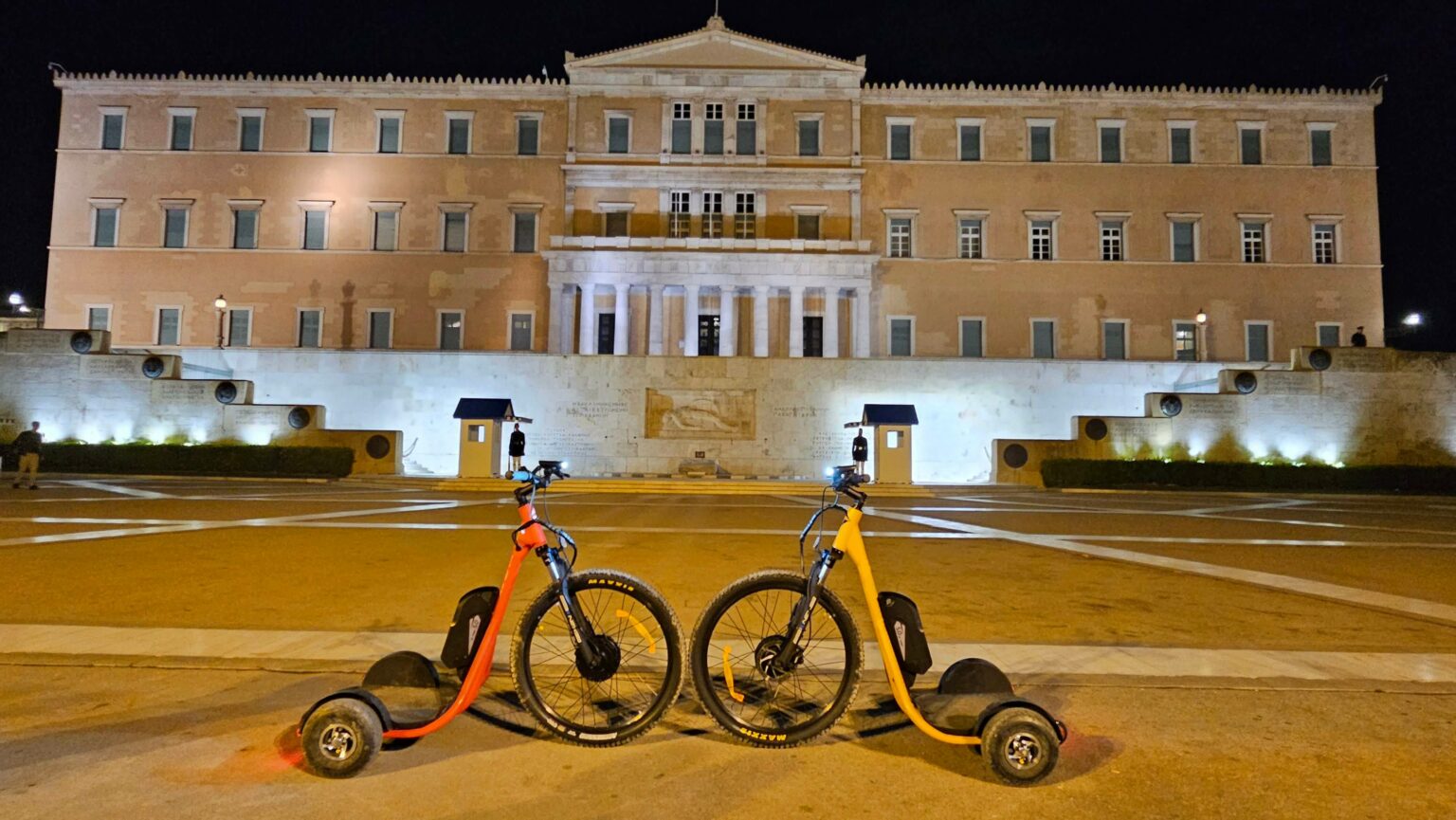
Covering ground efficiently, especially between the Acropolis area, Plaka, Monastiraki and the Panathenaic Stadium, is where a lot of trip plans quietly fall apart. Some visitors rent bikes, some join walking tours, and some opt for something with a bit more support and no pedaling involved - a three-wheeled electric trike, for instance, which several local operators including Ayo Tours Athens run as guided routes through exactly these photogenic neighborhoods, letting riders stop wherever the light looks right instead of rushing past it.
A Few Common Mistakes Worth Avoiding
People often photograph the Acropolis only from directly below, which tends to make it look smaller and more crowded than it feels in person. Stepping back, even just across the street or up a small rise, almost always improves the composition. Another common one is shooting straight into the midday sun expecting a dramatic silhouette and getting a washed-out, flat image instead.
The last mistake is simply moving too fast. Athens photographs best when you linger for five extra minutes at a spot that catches your eye, rather than sticking rigidly to a list of ten locations before lunch.
There is no single best spot in Athens for a great photo, because the city keeps offering new ones depending on the hour and the season. What consistently works is chasing soft light, wandering slightly off the obvious path, and giving yourself enough time and comfort to actually notice what is in front of you instead of rushing to the next stop on a list.
Frequently asked questions
What are the best photography spots in Athens for Instagram?
Areopagus Hill and Lykavittos Hill offer Acropolis views in wider context, while Anafiotika's whitewashed lanes feel like a Cycladic island. Beyond famous landmarks, the flea market area near Monastiraki, Ermou Street with its Byzantine church, and Syntagma Square during the changing of the guard each provide distinct visual character and authentic atmosphere.
What time of day should you photograph in Athens?
Early morning, around 7:30am, delivers soft side light that adds texture and dimension to stone surfaces. By 9am, main tourist areas fill with crowds and midday sun creates harsh glare that flattens details. Late afternoon brings golden light to monuments like the Acropolis, though sunset viewpoints at Lykavittos can be busy.
Why do local guides know better photography spots?
Local guides move through Athens at different times of day and see how light changes throughout the city. This repeated exposure builds knowledge of which corners, elevations and hours create compelling frames, rather than relying on standard tourist viewpoints.
Is it worth going to famous Acropolis viewpoints for photos?
The standard Acropolis platforms produce recognizable shots, but more interesting compositions come from slightly further away where you capture the monument within its surrounding cityscape. Areopagus Hill and Lykavittos offer these broader perspectives without the most intense crowds.
Can you photograph Athens without joining a tour?
Yes, but guided tours with local experts save time by eliminating trial and error. Local guides know which specific corners, times and angles work best, and can help you plan a route that maximizes good light and avoids crowds during peak hours.